High Strength
Withstands immense centrifugal loads and maneuver-induced alternating loads at high RPM, preventing structural failure

High Stiffness
Ensures safe blade-tip clearance in compact layouts, suppresses aeroelastic deformation, and prevents flutter

Lightweight Design
Reduce the moment of inertia to achieve rapid thrust response and higher attitude control bandwidth for the flight control system

Vertical Takeoff &
Landing Phase
Requiring high thrust and power, demanding maximum lift output from the propeller disk within a limited blade area

Cruise Phase
When the propeller stops rotating, it is necessary to minimize profile drag to reduce power consumption, achieving "stealthy" low-drag efficiency

Unsteady Flow Fields
at High Angle of Attack
The aircraft operates at high angles of attack and low speeds within an extremely complex flow environment


Asymmetric Airflow
Significant angle between incoming flow and the rotation axis causes asymmetric airflow entering the propeller disc

Severe Periodic
Variations
Local forces on the blade fluctuate drastically per rotation, inducing flutter and causing significant thrust fluctuation
To address the challenges of traditional propellers in VTOL (Vertical Takeoff and Landing mode) applications
we introduce the VZ Series Propellers
Technical Features of the VZ Series Propellers
Advanced composite materials and exceptional aerodynamic design work in synergy to ensure consistently efficient, reliable, and controllable power output
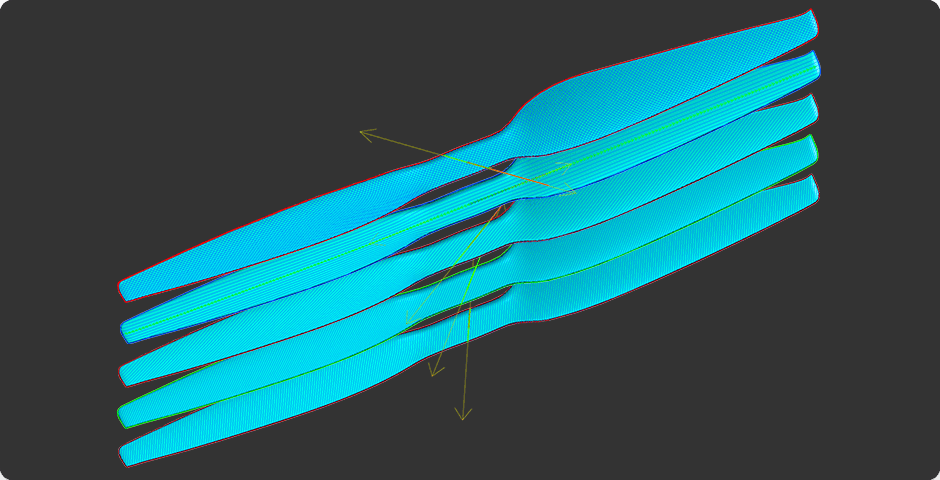
Bending & Torsion Resistant Layup Design
Optimized fiber orientation and ratio maximize strength and stiffness
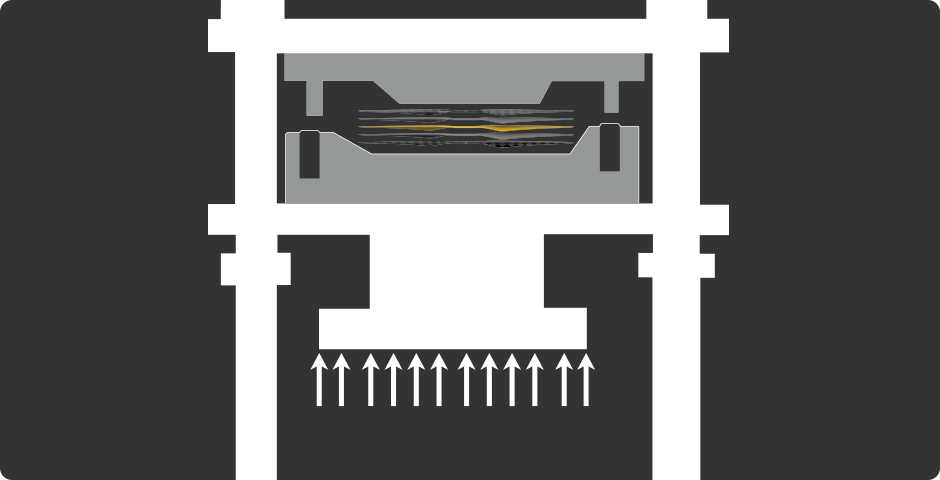
Prepreg Compression Molding for Integrated Forming
Product porosity below 1%, ensuring stable and reliable quality
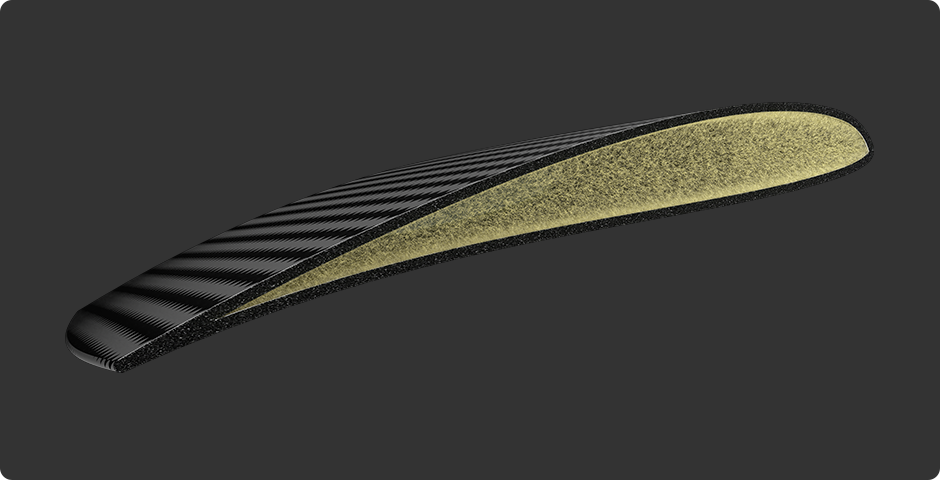
PMI Foam Core
Lightweight, high-strength core material effectively increases stiffness while controlling total weight
30%
Flexural Strength
Significantly enhanced impact resistance and deformation resistance for greater durability in complex operating conditions
20%
Torsional Stiffness
Optimized power transmission efficiency reduces energy loss during operation
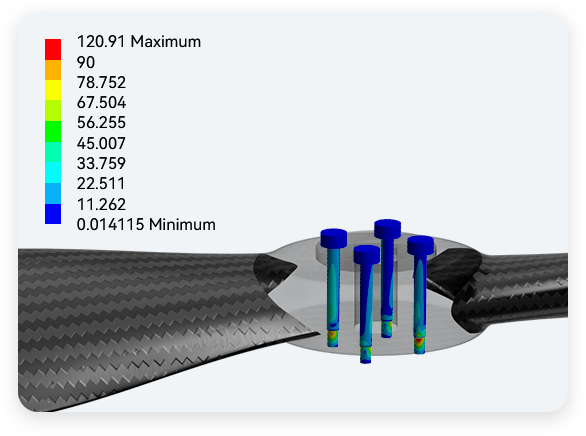
V30 Propeller
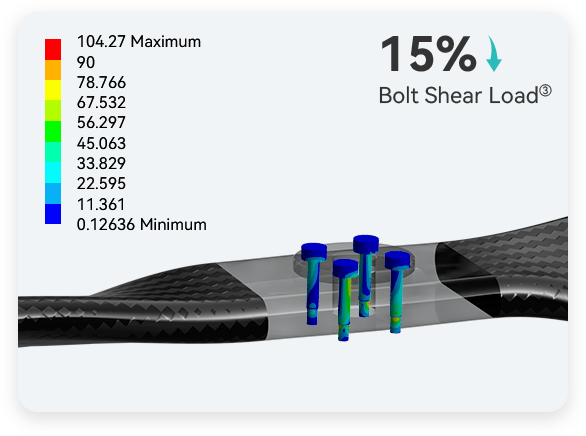
VZ30 Propeller
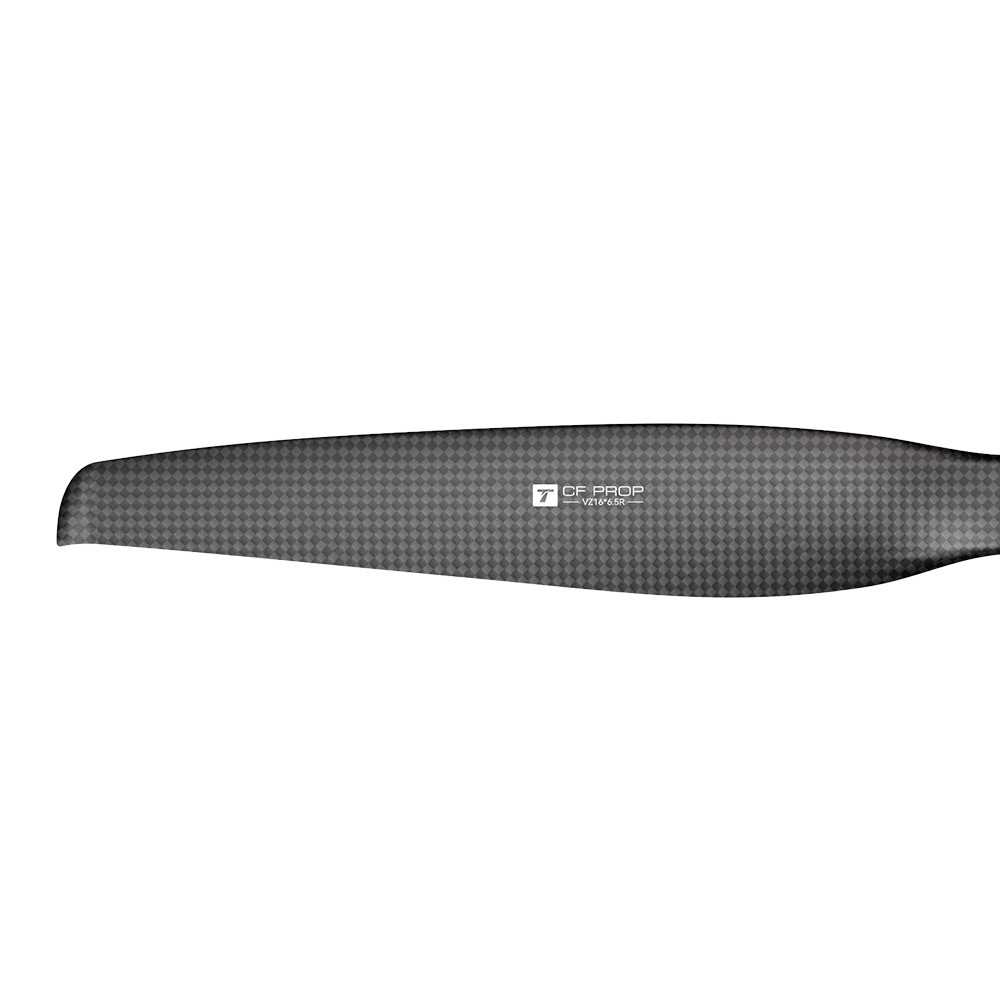
Dedicated High Lift-to- Drag Ratio Airfoil
Optimized for VTOL conditions to enhance maximum lift coefficient
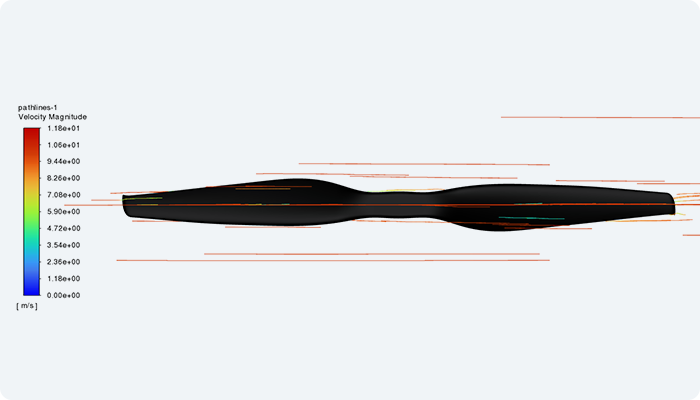
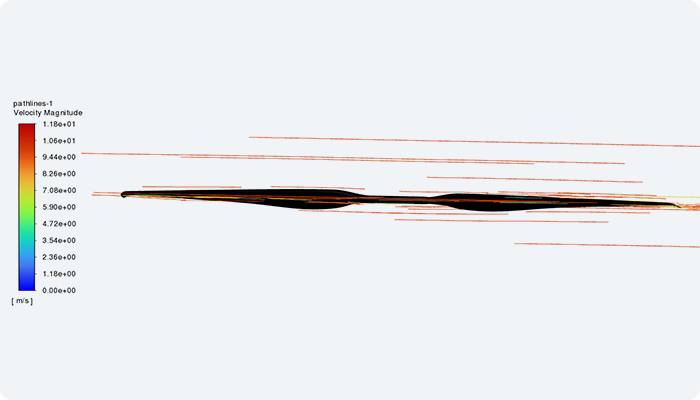
Low-Drag Cruise Blade Shape
Improved aerodynamic blade boundaries reduce cruise drag
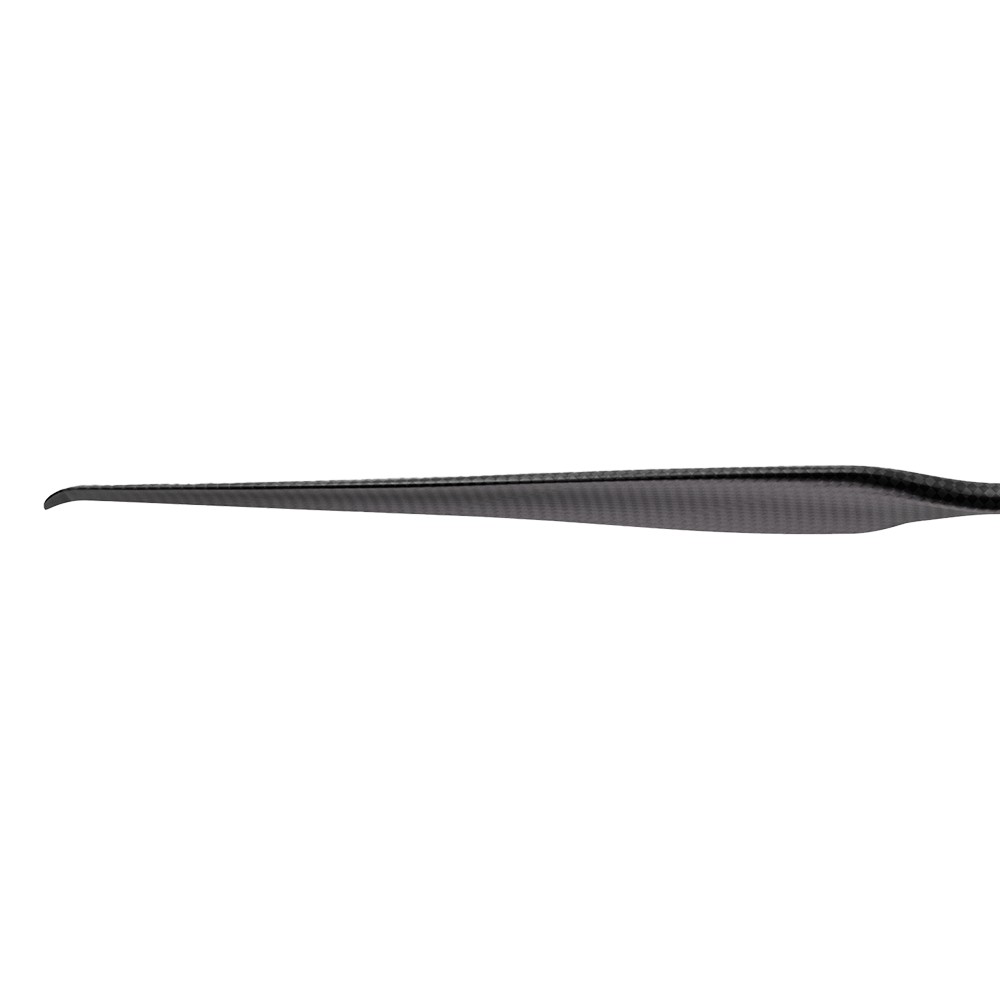
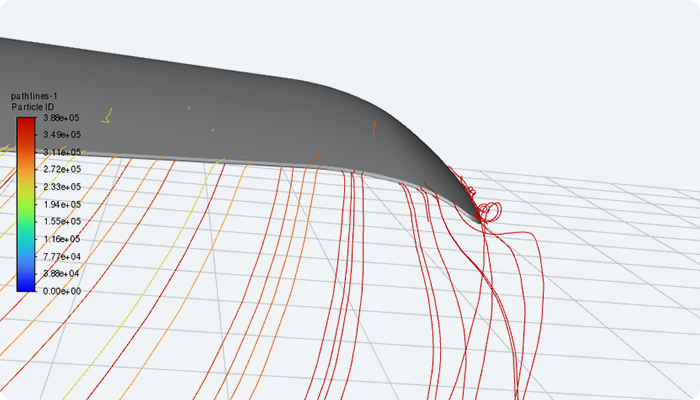
Specialized Blade Tip
Optimized tip design weakens vortex strength and enhances flight quality
Dedicated High Lift-to- Drag Ratio Airfoil
Optimized for VTOL conditions to enhance maximum lift coefficient
Low-Drag Cruise Blade Shape
Improved aerodynamic blade boundaries reduce cruise drag
Specialized Blade Tip
Optimized tip design weakens vortex strength and enhances flight quality
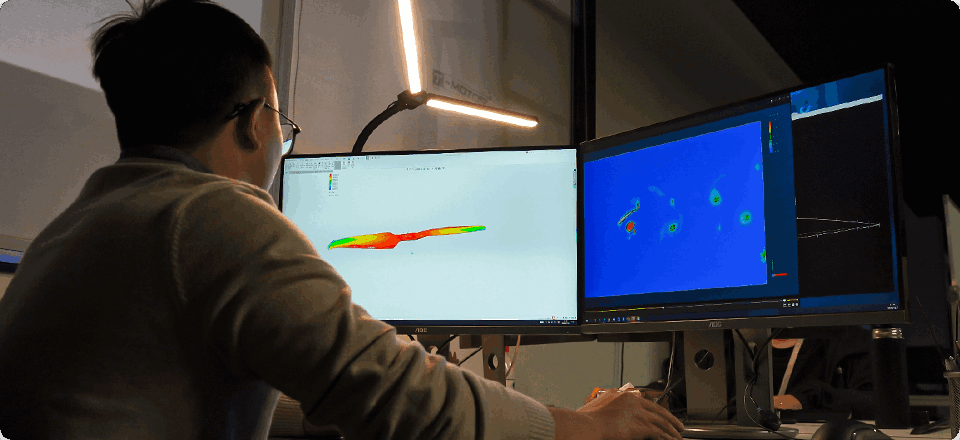
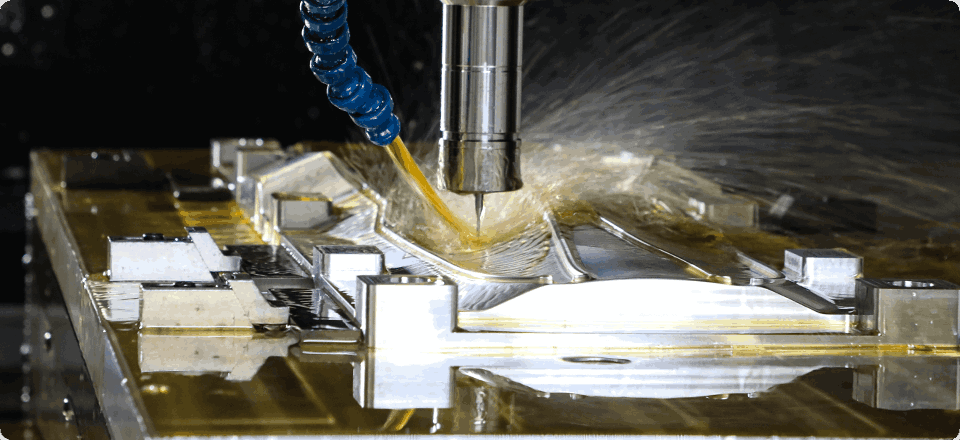
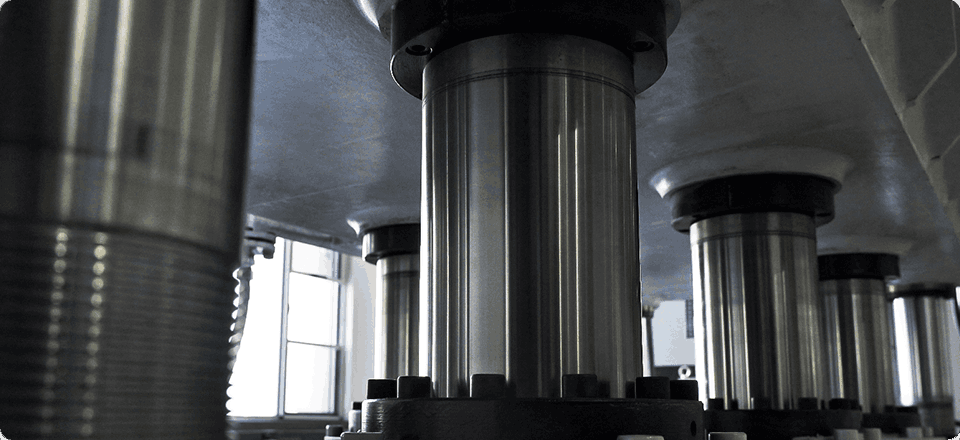
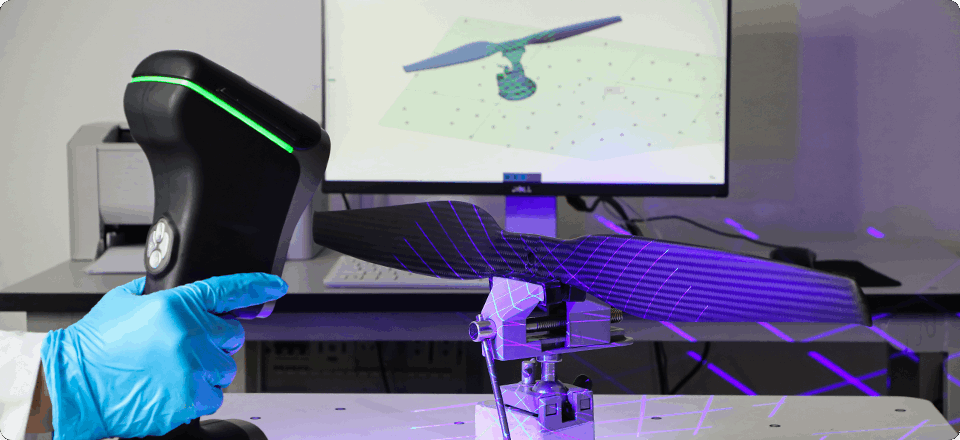


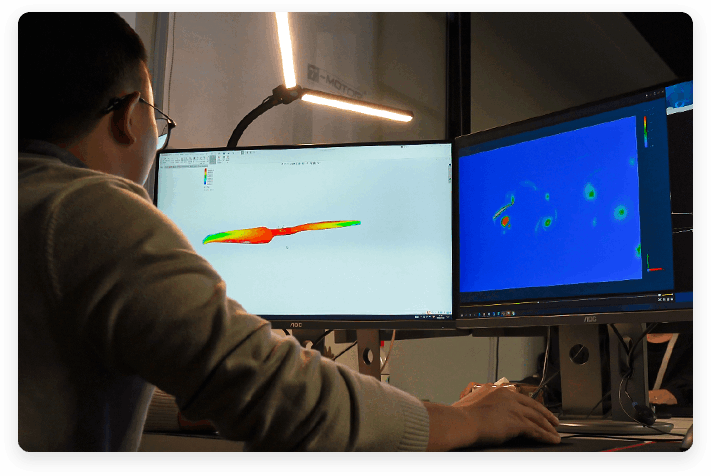
Aerodynamic/Structural Design
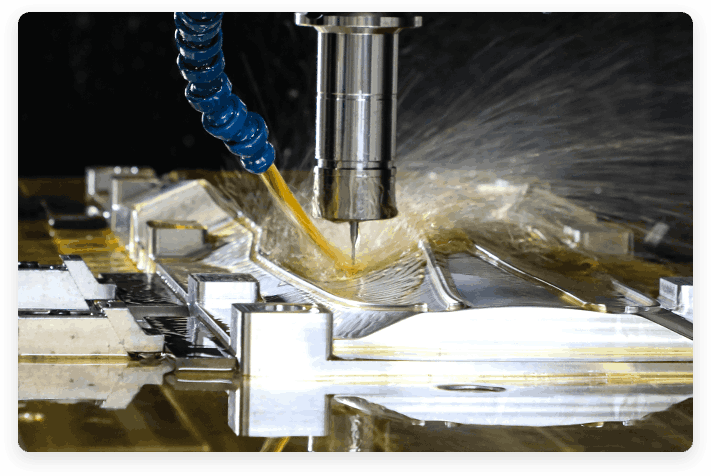

Mold Manufacturing
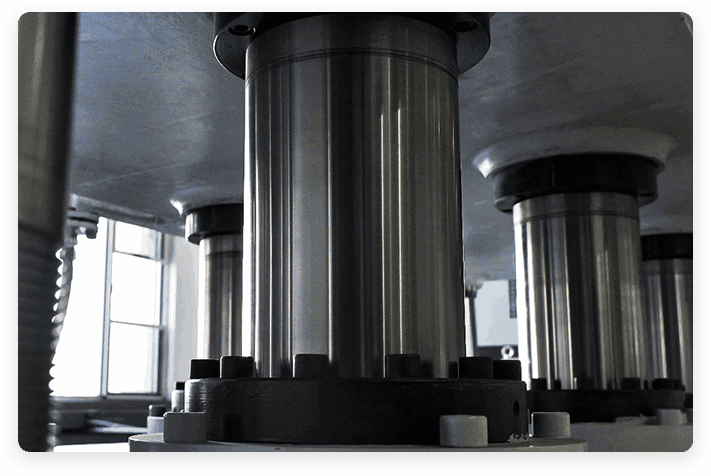

Composite Molding
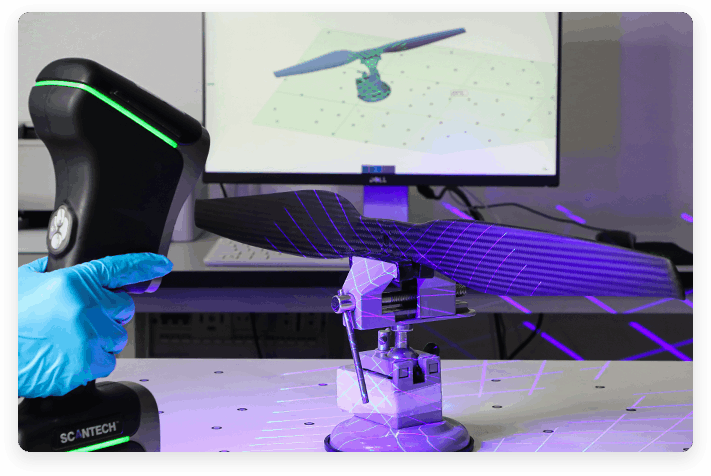

Testing & Validation