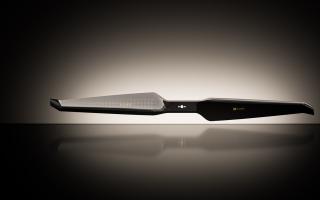
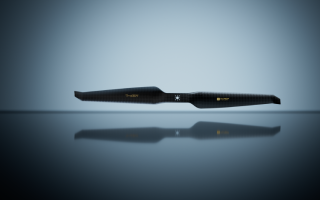
HEP-S Carbon Fiber Propeller: What Determines Heavy-Lift UAV Propeller Efficiency?
Published March:2026-08-14 · Elio
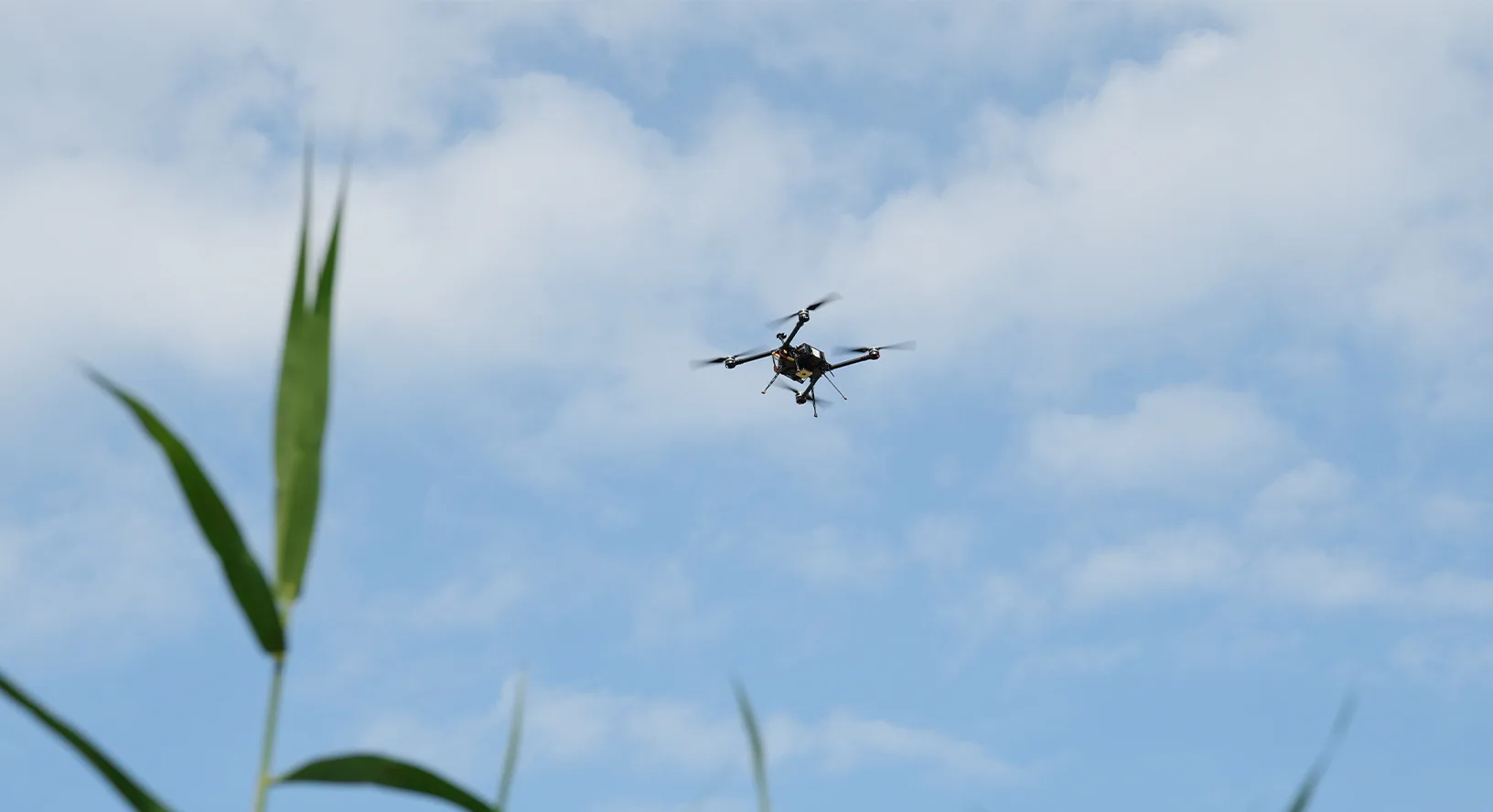
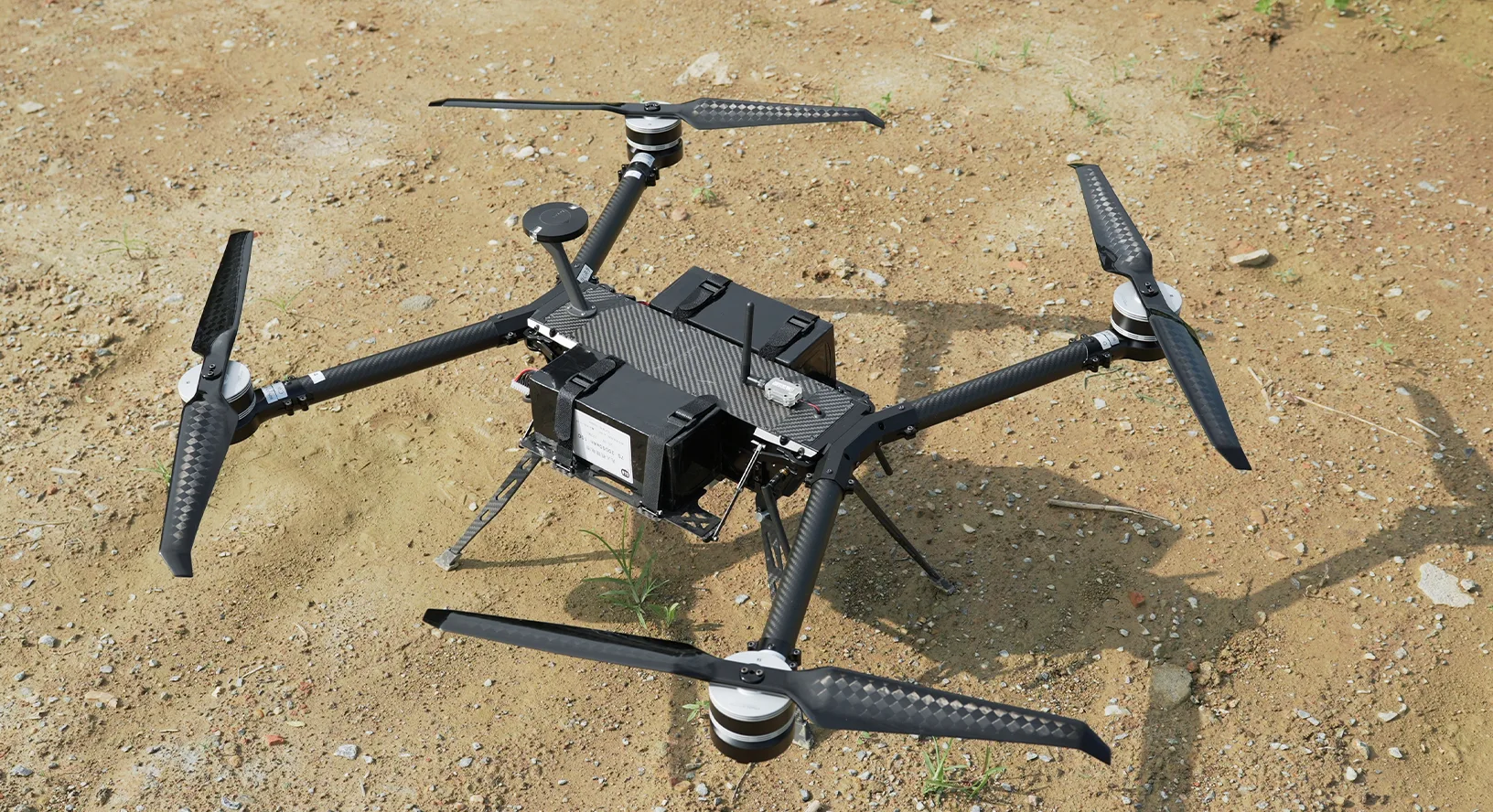
In demanding applications such as mountain logistics and emergency response, heavy-lift UAVs often operate under high payloads, making flight endurance critical to operational efficiency and cost.
Rather than simply increasing battery capacity and adding weight, improving powertrain efficiency is a more effective way to extend endurance. As a key component in converting electrical power into thrust, propeller efficiency depends on aerodynamic design, motor matching, and structural performance. This article explores these factors through the design of the HEP-S Carbon Fiber Propeller.
Understanding Propeller Efficiency Metrics
Propeller efficiency is evaluated through the relationship between thrust output and power consumption. Key metrics for industrial UAV propulsion systems include:
Thrust Efficiency (g/W)
Thrust generated per unit of electrical power. As a system-level metric, it reflects the combined performance of the motor, ESC, and propeller.
Figure of Merit (FM)
The ratio of ideal induced power to actual shaft power in hover, used to evaluate propeller aerodynamic efficiency.
Forward Propulsion Efficiency (ηp)
Measures propeller efficiency during forward flight, particularly relevant to fixed-wing and high-speed applications.
Note: Unless otherwise specified, “efficiency loss” in this article refers to changes in the propeller’s aerodynamic efficiency.
Where Does the Power Go: Induced Power vs. Profile Power
Propeller power consumption is mainly associated with induced power and profile power. Reducing these losses is key to improving UAV propulsion efficiency.
Induced Power
For a given thrust, a larger propeller area generally reduces disk loading and induced losses, improving hover efficiency. This is why heavy-lift UAVs often use large-diameter, low-RPM propellers.
Profile Power
Mainly caused by blade aerodynamic drag, including airfoil drag and tip losses. Optimizing the airfoil, chord, and twist distributions helps reduce aerodynamic losses under target operating conditions.
Aerodynamic design is a primary factor in propeller efficiency. Airfoil profile, twist, chord distribution, and operating conditions all affect aerodynamic losses during thrust generation.
Airfoil Design
An optimized airfoil reduces drag losses and improves aerodynamic efficiency under target conditions.
Twist and Chord Distribution
Optimizing twist and chord across the blade helps each section operate under appropriate aerodynamic conditions, reducing losses.
Operating Point Alignment
Propeller efficiency depends not only on size but also on the motor, RPM, and load conditions. High-efficiency propellers should be designed for specific operating conditions rather than maximum thrust alone.
Key Factor #2: Motor-Propeller Matching
Propeller efficiency depends on the overall powertrain. Proper matching among the motor, ESC, and propeller helps the system operate within its optimal efficiency range.
Operating Point Matching
Motor KV, voltage, propeller diameter, and pitch affect RPM, torque output, and overall efficiency.
Efficiency Region Matching
Effective matching aligns the propeller load with the motor's high-efficiency operating range under actual mission conditions, rather than simply maximizing thrust.
For heavy-lift UAVs, coordinated motor-propeller matching is essential for balancing thrust, efficiency, and long-term reliability.
Secondary Factors: High-Load Deformation and Rotational Inertia
While aerodynamic design and powertrain matching determine the efficiency ceiling, structural performance helps maintain it under high-load conditions.
Centrifugal and aerodynamic forces can deform propeller blades during heavy-lift flight. Insufficient rigidity may alter the designed twist and aerodynamic state, reducing efficiency. High-rigidity design therefore helps preserve aerodynamic performance under high loads rather than directly increasing efficiency.
Rotational Inertia: Influencing Dynamic Response
Blade weight and mass distribution affect rotational inertia. Lower rotational inertia can improve throttle response and control agility, while having a relatively limited effect on steady-state efficiency.
For industrial UAVs, structural optimization requires a balance between strength, weight, and dynamic performance.
Heavy-lift UAV propeller efficiency is mainly influenced by aerodynamic design, motor matching, disk loading, and structural performance. Their engineering priorities are summarized below:
Factor
Function
Impact Level
Engineering Priority
Aerodynamic Design
Influences aerodynamic losses and efficiency potential
High
Primary
Motor Matching
Determines whether the system operates in its high-efficiency range
High
Primary
Disk Loading
Governs induced power losses and hover efficiency
High
Primary
High-Load Blade Deformation
Helps maintain aerodynamic performance under load
Medium
Safeguard
Moment of Inertia
Influences dynamic response
Low
Secondary
Blade Weight
Increases UAV weight and indirectly affects power consumption
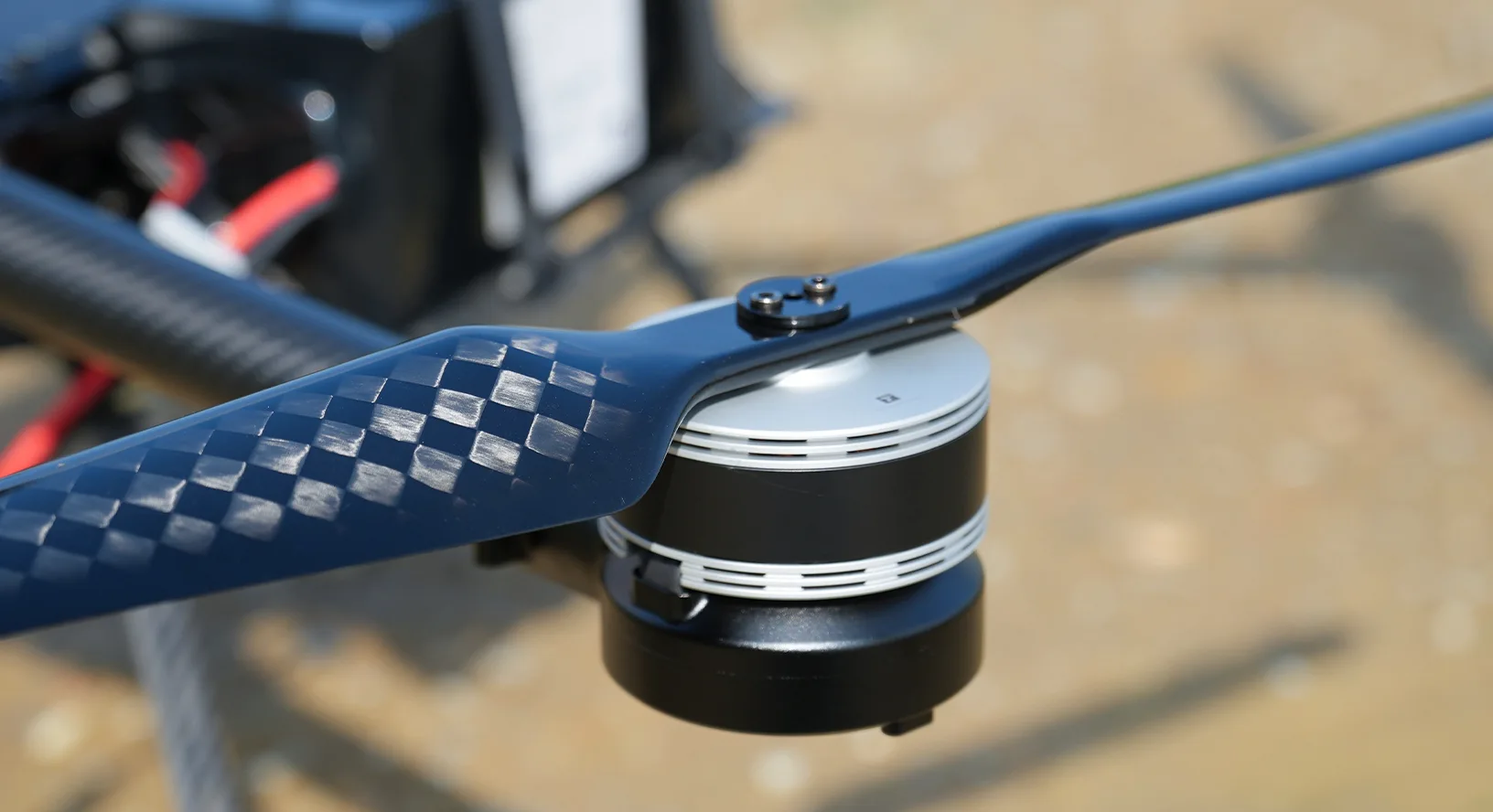
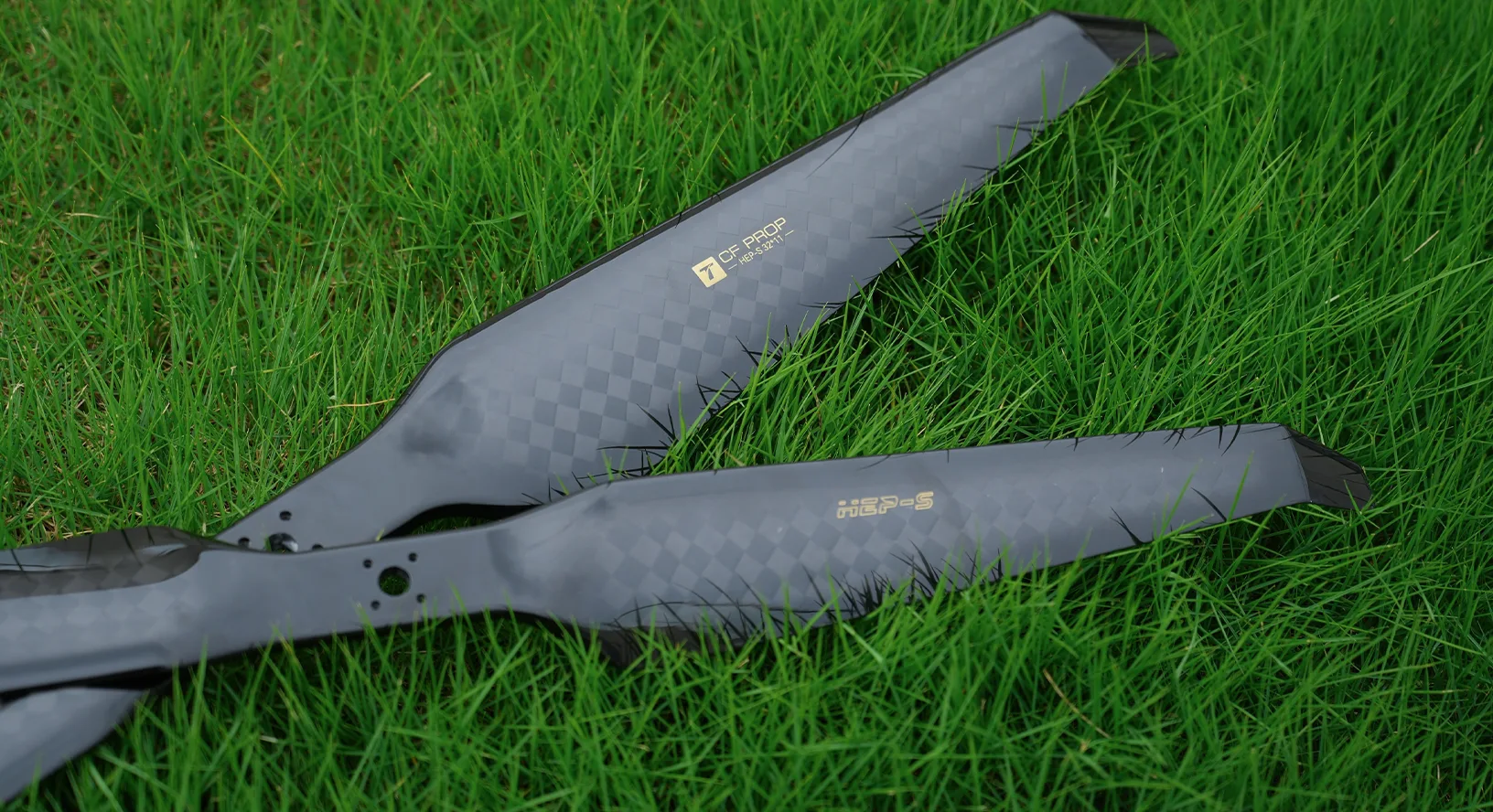
Based on the key efficiency factors above, HEP-S adopts a design approach focused on aerodynamic optimization, powertrain matching, and structural reinforcement to support efficient and reliable operation under heavy loads.
HEP-S optimizes the airfoil profile, chord distribution, and twist distribution to improve aerodynamic efficiency and reduce energy losses under target operating conditions.
Powertrain Matching: Improving System Efficiency
HEP-S is designed to work with T-MOTOR propulsion motors, helping match propeller load with the powertrain’s high-efficiency operating range.
T1100-grade carbon fiber is used in critical load-bearing areas to enhance structural strength and help maintain stable performance under high-load conditions.
Heavy-lift UAV propeller efficiency depends mainly on aerodynamic design, motor-propeller matching, and structural performance.
Aerodynamic design establishes the efficiency baseline.
Powertrain matching improves overall energy utilization.
Structural optimization helps maintain performance under high loads.
Built around these principles, the HEP-S Carbon Fiber Propeller combines aerodynamic optimization, powertrain matching, and structural reinforcement to provide an efficient and reliable solution for industrial UAVs.
FAQ
Q1: What is the difference between thrust efficiency (g/W) and Figure of Merit (FM)?
g/W measures overall motor, ESC, and propeller efficiency, while FM evaluates propeller aerodynamic efficiency.
Q2: Does blade deformation significantly affect propeller efficiency?
Yes. Insufficient rigidity under high loads can alter blade geometry and reduce aerodynamic efficiency.
Q3: Why are large-diameter, low-RPM propellers generally more efficient?
They reduce disk loading and induced power losses, but require proper motor, voltage, and propeller matching.
Q4: Where does HEP-S flight endurance improvement come from?
It mainly comes from aerodynamic optimization and powertrain matching, with approximately 3% longer flight time than the classic G series under T-MOTOR standard testing conditions.
Q5: Can HEP-S be matched with different UAV powertrain systems?
Yes. T-MOTOR provides propeller and powertrain matching based on the UAV platform and mission requirements.