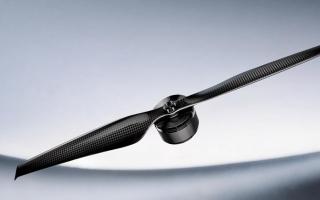
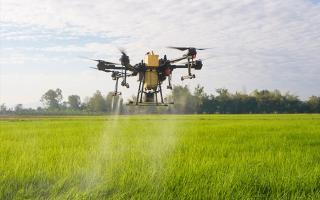
In modern precision agriculture, plant protection drones have become essential tools for improving spraying efficiency and reducing labor costs. As a critical component of the propulsion system, the motor plays a key role in flight stability, payload capacity, endurance, and overall operational reliability.
Agricultural UAVs operate in some of the most demanding environments within the commercial drone industry. Frequent exposure to rain, pesticide chemicals, and airborne dust places significant demands on motor durability and environmental resistance. As a result, agricultural UAV motors must provide not only strong thrust and high efficiency, but also robust protection against water, corrosion, and contamination.
Balancing spraying efficiency with environmental protection has therefore become a key consideration when selecting motors for agricultural UAV applications.
Core Points for Agricultural Plant Protection Drone Motor Selection
1、Basic System Matching
For foundational sizing principles detailed in our Agricultural Drone Propulsion System Selection Guide, ensure the aircraft's Maximum Take-Off Weight (MTOW) does not exceed 40% of total maximum thrust. It is recommended to pair low-KV motors (100-200KV) with large-diameter propellers and high-voltage FOC ESCs (12S-14S+ with ≥20% current margin) to maintain stable efficiency. Utilizing modular kits (motor + ESC + propeller) further prevents parameter mismatches and simplifies integration.
2、Matching Heat Dissipation with Durability
Agricultural operations typically involve high-intensity workloads, so motors require excellent thermal design to prevent high-temperature demagnetization. Choose motors with large stator sizes (e.g., 60xx and above), low internal resistance electromagnetic designs, and good heat dissipation structures to reduce demagnetization risk and extend service life.
3、Matching Protection Rating
For precision agriculture, IPX5 or higher is recommended as a baseline, IPX6 and above is preferred. Agricultural operations frequently involve exposure to rain, mist, and pesticide splash, making dustproof, waterproof, and corrosion-resistant capabilities essential. It is essential to select motors that feature specialized anti-pesticide corrosion coatings, ensuring long-term reliability and stable performance even under prolonged exposure to harsh chemical agents.
4、Matching Voltage with the ESC
It is common to use 12S to 14S LiPo batteries. To ensure system reliability, the ESC current margin is recommended to be ≥20% to prevent current limiting during peak loads. Pairing with FOC ESCs enables precise control, fast response, and low heat generation, improving overall drone performance.
5、Design of Modularity
Modular kits offer simpler installation and better compatibility. Matched motor + ESC + propeller sets prevent parameter mismatches between individual components, reduce accidents, speed up assembly, and lower system integration difficulty.
6、Other Factors
Additional considerations include lightweight design (to reduce the overall machine load) and high-and-low temperature adaptability. The efficiency of plant protection operations is closely tied to all the above points. Overlooking any single factor may result in reduced operational efficiency and, more critically, cause your equipment to fail prematurely.
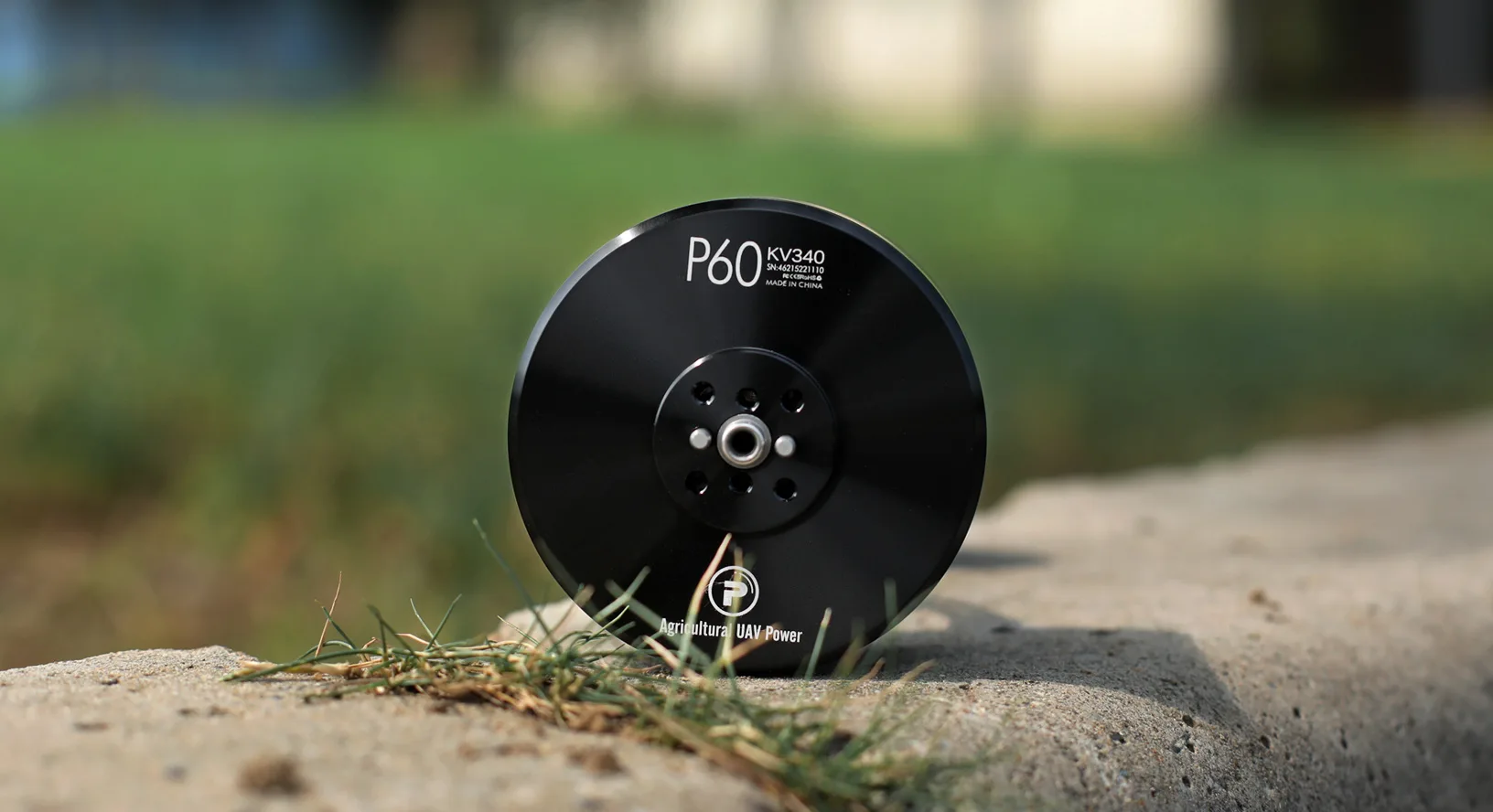
Balancing Spraying Efficiency and Waterproof Performance
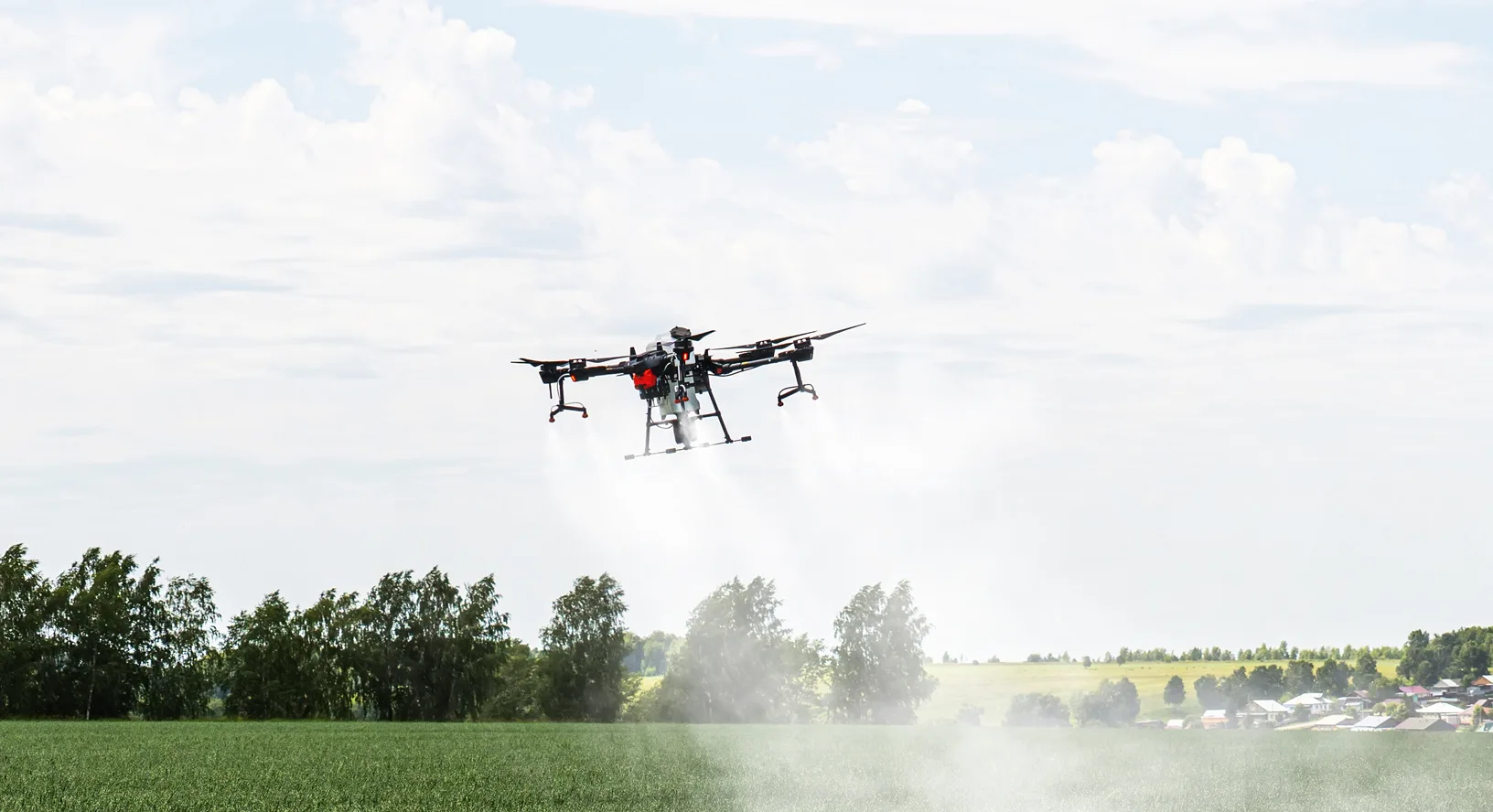
Spraying efficiency is largely determined by the quality of the downwash airflow: vertical downward airflow strength, uniformity, and canopy penetration capability. These factors affect droplet deposition rate, uniformity, and drift control.
A strong downwash field presses fine droplets into the middle and lower parts of the crop canopy, improving control effectiveness and reducing chemical waste. Weak or highly turbulent airflow can result in excessive droplet deposition on the upper canopy, insufficient lower-layer coverage, or severe drone drift.
1、Impact of Waterproof Rating on Spraying Efficiency
Positive Impact: IPX6 and higher ratings allow the motor to operate continuously in complex environments, such as during rainfall or amidst chemical splashes, preventing downtime due to water ingress, ensuring higher operational availability and greater daily coverage. Motors designed with integrated drainage channels that support direct water rinsing after operations further improve maintenance convenience without affecting subsequent flights.
Negative Impact: High levels of waterproofing often require additional sealing structures that slightly increase motor weight or alter appearance, potentially affecting aerodynamic propeller matching. Excessive potting can restrict heat dissipation, leading to higher temperature rise under heavy load, thrust reduction, and weakened downwash field. Stronger vertical downwash generally improves droplet deposition and canopy penetration while helping reduce drift.
2、Balancing Strategies
Prioritize Waterproofing, Then Performance: Determine waterproof requirements based on the agricultural operating environment (IPX5 is recommended for dry areas; IPX6+ with anti-corrosion measures for rainy or high-concentration pesticide areas). On this baseline, select motors that maintain stable efficiency across the normal operating range and best thrust performance in the common load range.
Overall Design: Recommend integrated modular structures (motor + ESC combined) with anti-corrosion coatings and waterproof bearings. This achieves IPX6 protection while maintaining excellent heat dissipation channels. The FOC ESC delivers precise torque control and reduces overall heat generation, ensuring stable downwash output even in humid environments.
Actual Testing: Focus on product waterproof spray testing, temperature cycling tests, and real-world downwash field measurements. Quality IPX6 motors maintain low temperature rise and high g/W values during full-load spraying, with no significant reduction in downwash airflow intensity.
System Synergy: Motor waterproofing works best when coordinated with nozzle positioning and flight parameters. Reliable waterproof motors enable flexible low-altitude operations in rainy seasons, enhancing droplet penetration.
In modern precision agriculture, IPX6 has become the mainstream standard for plant protection motors. Through material and structural innovations (such as high-temperature enameled wire + liquid drainage channels), an effective balance between waterproofing and spraying efficiency can be achieved without significantly sacrificing thrust and the downwash airflow field. Compared to motors with lower waterproof ratings, high-protection solutions feature a slightly more complex initial structure, but offer distinct advantages in long-term operational availability and operational quality.
Recommended Configurations
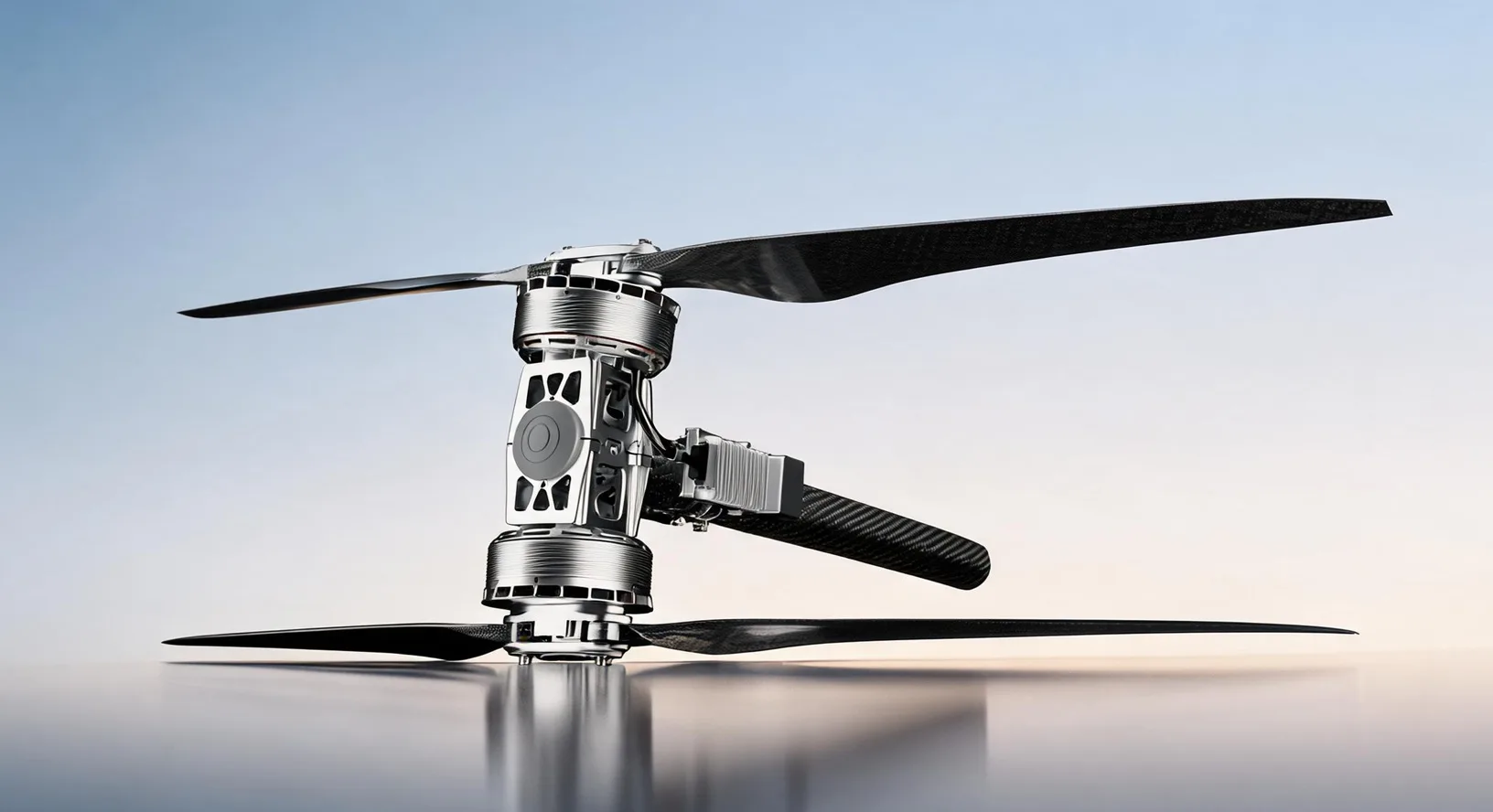
T-MOTOR has introduced the A-Series modular propulsion systems, specifically developed for multirotor agricultural UAV applications. Built around T-MOTOR’s MPET design architecture, the series provides single-axis rated thrust starting from 3.5 kg and delivers optimized propulsion solutions for agricultural UAVs ranging from compact 5L platforms to larger-capacity spraying systems.
| Product | Voltage | Rated Thrust | Propeller | Weight | MTOW (Coaxial Quad) | Tube Size |
|---|
| X-A14 | 18S/24S (LiPo) | 35-40kg | EFZ57/EZ57 | 9700g (Incl. Wires+ Folding Prop) /8650g (Incl. Wires+ Prop) | 200kg | 60 mm |
| X-A16 | 24~28S (LiPo) | 55-60kg | EFZ63/EZ63 | 11610g (Incl. Wires+ Folding Prop) /10590g (Incl. Wires+ Prop) | 240kg | 80 mm |
| X-A16L 24S | 24S (LiPo) | 70-75kg | EFZ63/EZ63 | 15200g (Incl. Wires+ Folding Prop) /14180g (Incl. Wires+ Prop) | 300kg | 80 mm |
| X-A16L EFZ73 | 24~28S (LiPo) | 75-80kg | EFZ73/EZ73 | 15400g (Incl. Wires+ Folding Prop) /14380g (Incl. Wires+ Prop) | 300kg | 80 mm |
→ More Agricultural UAV Propulsion Solutions
Selection Recommendations
1、 Clarify aircraft parameters
Prior to component selection, the fundamental configuration of the UAV airframe must be clearly defined.
Confirm the airframe configuration (e.g., quadcopter, hexacopter, octocopter), the rated payload tank capacity (e.g., 10L, 16L, 30L), the operational battery voltage platform (typically 12S–14S LiPo or higher), and the estimated Maximum Take-Off Weight (MTOW).
2、 Calculate single-axis thrust requirements
Calculating the precise thrust required per axis must strictly adhere to the " sufficient safety margins" to guarantee that the UAV retains sufficient power reserves under extreme environmental conditions:
Single-axis thrust ≥ MTOW × 2–2.5 ÷ Number of effective axes
3、 Determine protection rating
Protection requirements must be evaluated based on the geographical regions and climatic characteristics of the intended deployment zones:
Arid/Dry Regions: For operations primarily in northern or arid regions with minimal rainfall, an IPX5 protection rating is generally sufficient.
Rainy/Humid/High-Concentration Chemical Zones: For operations during rainy seasons, in high-humidity environments, or under prolonged exposure to high-concentration chemical spraying, an IPX6 or higher rating is highly recommended, alongside specialized anti-corrosion coatings to resist agricultural chemicals.
4、 Efficiency Curves and Thermal Performance
Once the prerequisite waterproofing and thrust thresholds are satisfied, the selection process must evaluate motor efficiency and thermal management under operational loads:
Efficiency Curve Evaluation: Analyze the motor efficiency performance specifically within the 50%–65% thrust range (the primary operational load interval). Premium motors maintain a flat, stable high-efficiency curve across this window, preventing drastic efficiency drops under heavy loads.
Thermal Management Assessment: Prioritize motors featuring large stator sizes (e.g., 60xx series or larger), low internal resistance electromagnetic designs, and optimized heat dissipation structures. These features minimize temperature rise during full-load operations, reduce the risk of high-temperature demagnetization, and extend the overall service life of the UAV.
FAQ
1、Is an IPX6 Rating Sufficient for Agricultural UAVs?
IPX6 can withstand strong water jets and easily handles rain, mist, pesticide splash, and post-operation rinsing common in agricultural scenarios.
When the entire drone or propulsion system reaches IPX6 or higher, it can operate normally during rainy seasons, improving operational availability. However, heavy rain, storms, and prolonged submersion should still be avoided to avoid increased water ingress risk due to seal aging.
2、How Should Agricultural Drones Be Cleaned After Spraying Operations?
Prompt cleaning after operations can prevent corrosion and extend the service life of the motors and the entire aircraft.
Fill the chemical tank with fresh water or soapy water, and circulate clean water through the spraying system at least three times.
Disassemble the filter screens and nozzles, and soak them in clean water for several hours.
Use low-pressure water or a damp cloth to gently wash the airframe and motor surfaces (IPX6 motors support washing), avoiding direct high-pressure spraying on seals, connectors, and joints, then wipe dry with a clean cloth. Timely cleaning prevents corrosion and extends motor lifespan.
3、How Do I Select the Right KV Rating for an Agricultural UAV Motor?
Low-KV motors (approximately 80–200 KV) are recommended. Lower KV provides higher torque at lower RPM, making them ideal for large propellers. Compared to small propellers, they produce a stronger and more uniform downwash that helps droplets penetrate deeper into the crop canopy, improving deposition uniformity, application effectiveness, and reducing drift. They also deliver ample thrust with lower heat generation and higher efficiency in the common load range, making them suitable for long-duration stable spraying.
4、What Causes Most Agricultural UAV Motor Failures?
Water ingress and overheating are the two primary causes, but water ingress (including chemical liquid corrosion) is often a major contributor to failures, particularly during rainy seasons and high-concentration pesticide operations.
Prevention: Select motors with a rating of IPX6 or higher, and perform gentle washing followed by thorough drying after operations; inspect seals regularly; choose low KV, high-efficiency motors paired with FOC ESCs, and avoid operating continuously near maximum load to avoid prolonged flights under high temperatures and high loads.