Agricultural Drone Motor Overheating: Causes and Solutions
Published March:2026-10-21 · Updated:2026-10-22 · Elio
Table of Contents
Share This Article
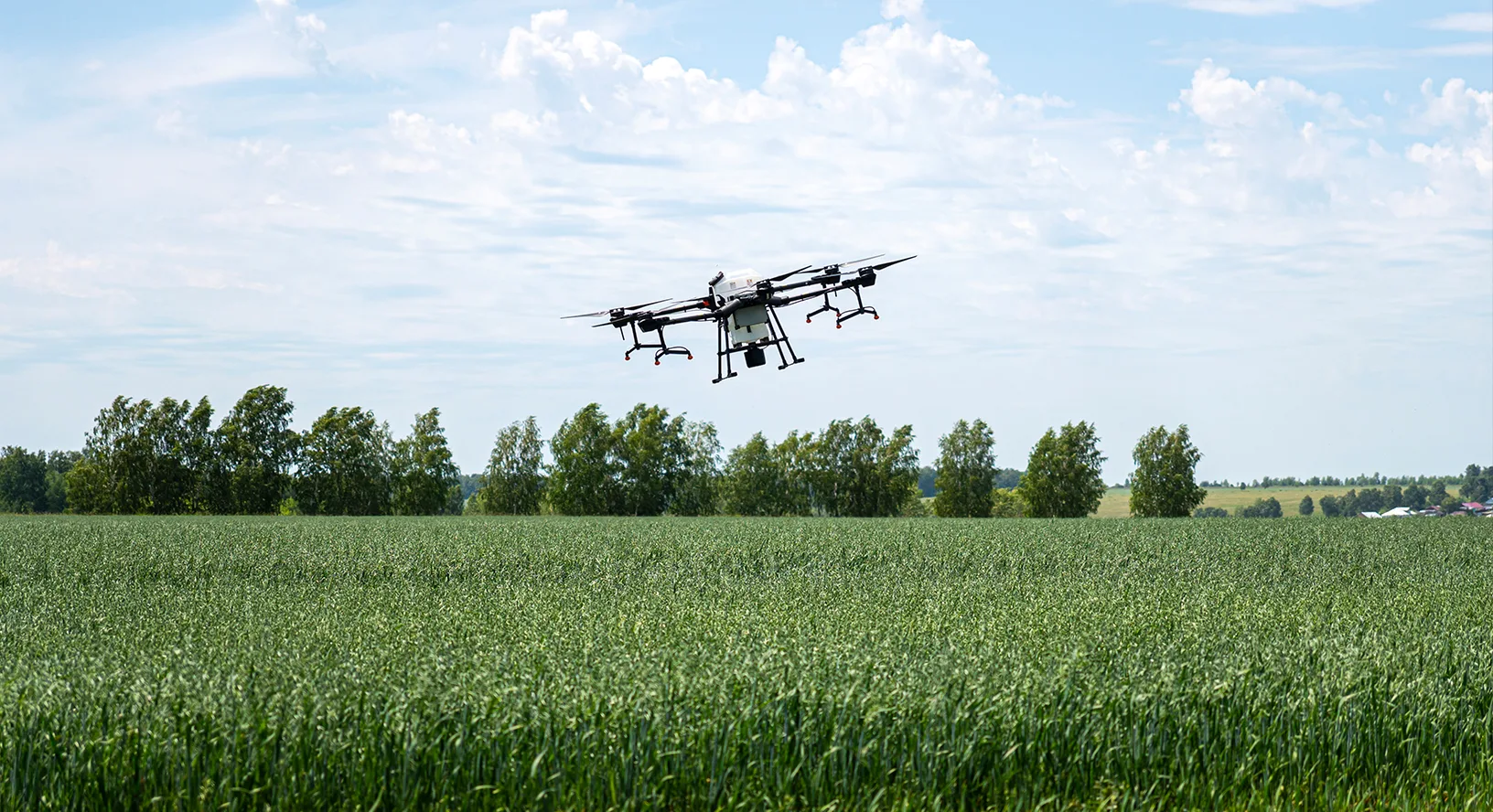
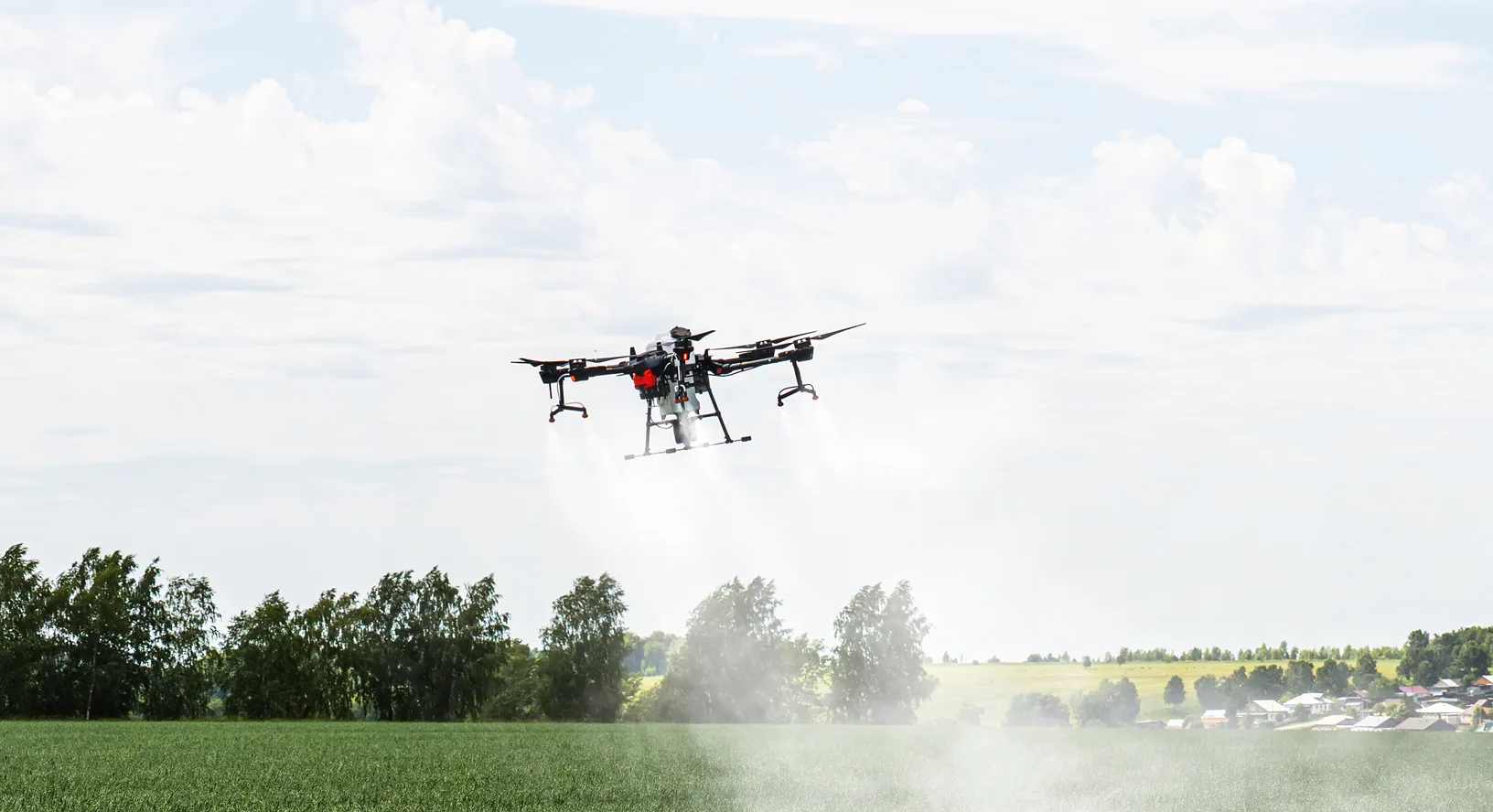
Agricultural drones operate under sustained loads during spraying and seeding. Excessive loads or improper propulsion system matching can increase motor temperature and cause overheating.
Motor overheating can result from several factors, including payload, propeller matching, motor KV, battery voltage, ESC performance, and cooling conditions. Understanding these factors helps identify the root cause and optimize propulsion system performance.
Why Do Agricultural Drone Motors Overheat?
Agricultural drone motors can overheat due to sustained high loads, improper propulsion system matching, or insufficient cooling.
Common Cause
Effect on the Motor
Excessive payload
Increases thrust demand and motor load
Improper propeller matching
Increases torque and current demand
KV and voltage mismatch
Pushes the motor outside its suitable operating range
Prolonged high-load operation
Causes heat to accumulate
Insufficient cooling
Reduces heat dissipation
High ambient temperature
Reduces thermal margin
Motor overheating often results from the overall propulsion system rather than the motor alone. Higher thrust demand and sustained loads can increase current and heat generation. When heat dissipation is insufficient, motor temperature continues to rise.
What Temperature Is Too Hot for Agricultural Drone Motors?
There is no universal overheating threshold for agricultural drone motors. Evaluate temperature against the manufacturer's limits, measurement location, ambient temperature, actual load, and operating duration.
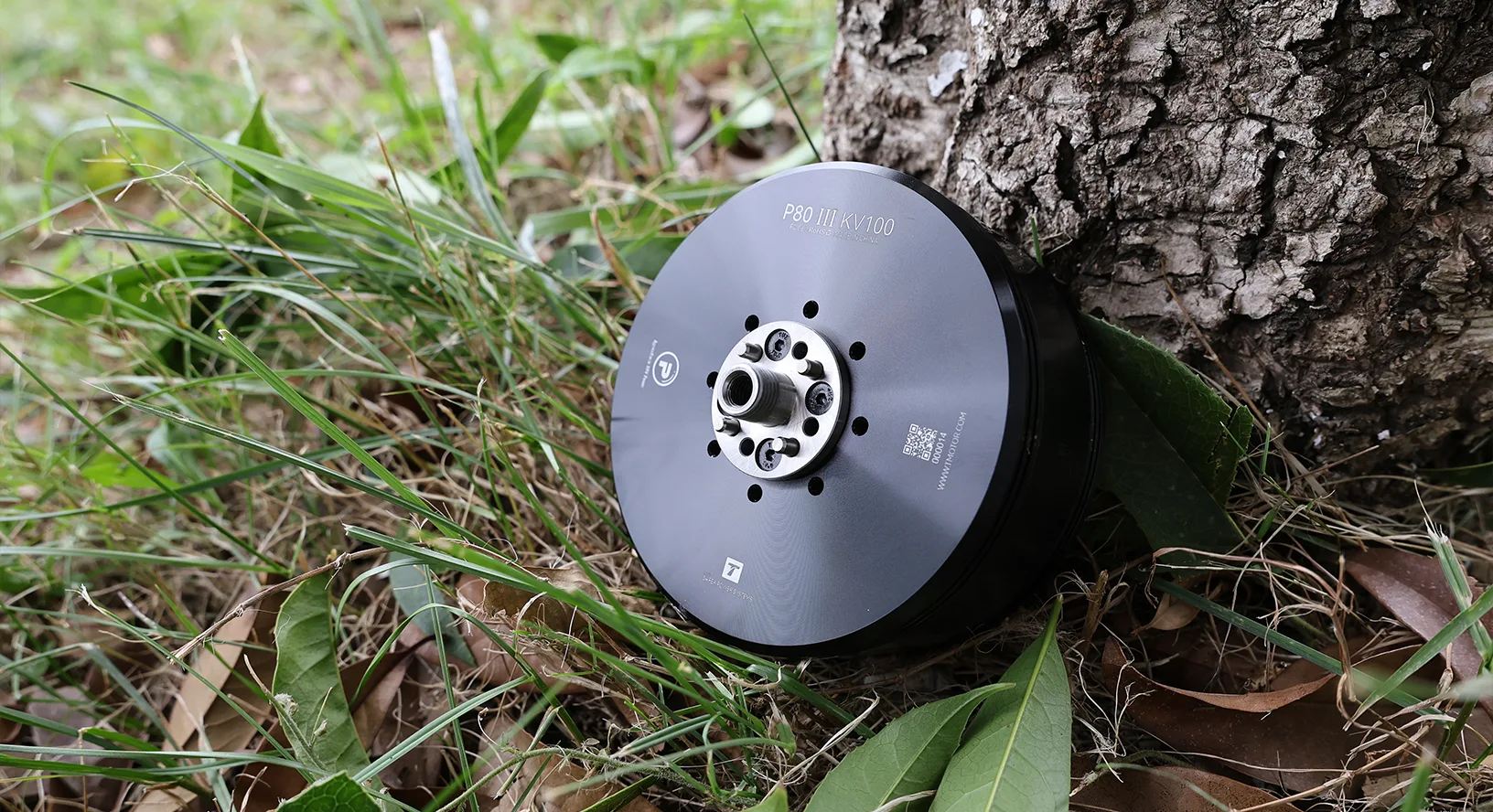
In T-MOTOR P60-X tests, the motor surface reached 74°C after 10 minutes at 100% throttle and an ambient temperature of 25°C. This result applies only to the specific model and test conditions, not as a universal temperature limit.
If temperature continues to rise, exceeds the manufacturer's limits, or increases abnormally under the same conditions, check the load, propeller matching, operating current, and cooling. For prolonged agricultural operations, validate performance under conditions close to actual field use.
How Do Motors, Propellers, and Payload Affect Overheating?
Motor temperature depends on propulsion system load and matching. Key factors include propeller selection, motor KV, battery voltage, and payload.
1. Propeller Load
Oversized propellers, excessive pitch, or improper matching can increase motor torque and current, raising temperature. Damaged, deformed, or improperly installed propellers can also affect load and efficiency.
When troubleshooting, check:
Propeller diameter, pitch, and condition
Installation and motor–propeller compatibility
Thrust and current under actual load
Match the motor, battery voltage, propeller, and target thrust as a complete system.
2. Motor KV and Battery Voltage
Motor KV indicates the change in no-load speed per volt. It should be matched with battery voltage, propeller size and pitch, required thrust, operating range, and duty cycle.
A mismatch can lead to high-current or low-efficiency operation, increasing heat generation. A lower-KV motor does not necessarily run cooler; temperature depends on the overall operating point.
3. Payload and Continuous Load
During spraying and seeding, payload changes as liquid or materials are consumed. Higher payloads generally increase thrust demand and continuous propulsion load.
Near maximum takeoff weight (MTOW), evaluate motor temperature under realistic payloads and sustained operating conditions—not just unloaded or short-duration tests.
How Do ESCs and Electrical Losses Contribute to Motor Overheating?
Motor overheating in agricultural drones is not caused by mechanical load alone. Electrical losses within the propulsion system can also generate heat.
1. ESC Current Capacity
The electronic speed controller (ESC) must meet the motor's continuous and peak current requirements. Improper matching or prolonged high-current operation can increase electrical losses and heat.
2. Electrical Losses
High current can increase heating in motors, ESCs, wires, and connectors. Proper system matching helps reduce unnecessary current demand, heat generation, and energy consumption.
3. FOC and System Matching
A properly matched field-oriented control (FOC) ESC supports smooth motor operation and efficient power delivery. However, FOC cannot compensate for mismatches between the motor, propeller, battery voltage, and payload.
Effective temperature management requires a propulsion system matched to the required voltage, current, and operating conditions.
What Are the Risks of Agricultural Drone Motor Overheating?
Prolonged motor overheating can reduce propulsion system performance, accelerate component aging, and shorten service life.
1. Reduced Efficiency
Sustained high temperatures may reduce propulsion efficiency, requiring more electrical energy to produce the same effective thrust.
2. Unstable Power Output
Excessive operating temperatures may affect motor stability and thrust output during continuous agricultural operations.
3. Accelerated Component Aging
Repeated exposure to excessive heat may accelerate the aging of motor windings, insulation, bearings, and magnets.
4. Shortened Service Life
Prolonged or repeated overheating increases thermal stress on propulsion components, potentially shortening their service life.
For agricultural drones designed for extended operations, effective motor temperature management is essential to long-term propulsion system reliability.
How to Troubleshoot Agricultural Drone Motor Overheating
To identify the cause of agricultural drone motor overheating, inspect the motor, ESC, propellers, battery, payload, and operating conditions.
Agricultural Drone Motor Overheating Checklist:
Checklist
Component
What to Check
Motor
KV, current, thrust, and temperature
ESC
Current capacity, temperature, and connections
Propeller
Size, pitch, damage, deformation, and installation
Battery
Voltage, current, and voltage sag
Payload
Maximum takeoff weight (MTOW) and continuous thrust demand
Operating environment
Ambient temperature, cooling, and operating duration
1. High Temperature and High Current
If motor temperature and current are both high, check payload, propeller matching, continuous load, and ESC and battery current capacity.
2. High Temperature and Reduced Efficiency
If temperature rises while flight efficiency declines, check motor–propeller matching, battery voltage, and actual payload. Use thrust, current, and power data to identify potential losses.
3. Multiple Components Overheating
If the motor, ESC, or wires overheat, check system current, overall load, cooling, and propulsion system matching.
Effective troubleshooting requires identifying the root cause—not just the component overheating. Common causes include excessive load, high current, and insufficient cooling.
How to Reduce Motor Overheating in Agricultural Drones
Preventing motor overheating requires proper propulsion system matching, load management, and effective cooling.
1. Match the Motor and Propeller
Select a motor–propeller combination based on required thrust and actual payload. Avoid oversized or mismatched propellers.
2. Match Motor KV to Battery Voltage
Choose motor KV based on battery voltage, propeller size, target thrust, and operating range. Poor matching can increase current draw and heat generation.
3. Control Continuous Load
For extended spraying and seeding operations, consider maximum takeoff weight (MTOW), actual payload, sustained thrust demand, and operating duration—not peak performance alone.
4. Select a Compatible ESC
Match the ESC to the motor, battery voltage, and current requirements. For sustained high-load operations, prioritize continuous current capacity and thermal performance over peak ratings alone.
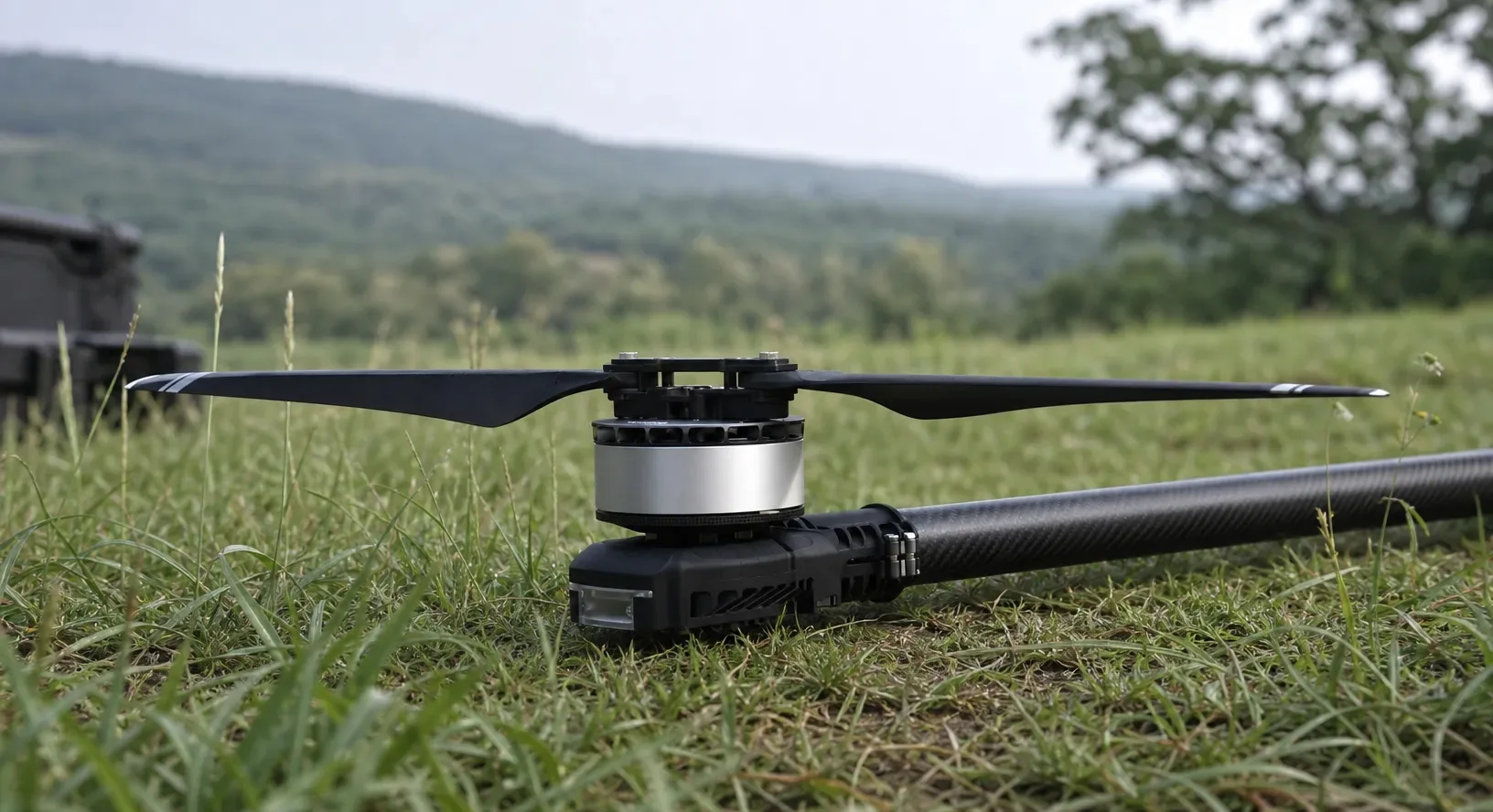
5. Improve Thermal Management
Effective cooling and structural design help dissipate heat. However, cooling alone cannot compensate for improper system matching or persistent overloading.
6. Validate Under Real Operating Conditions
Test under realistic agricultural operating conditions. Monitor motor and ESC temperatures across payloads, operating durations, and ambient temperatures, using thrust and efficiency data to evaluate performance.
T-MOTOR Agricultural Drone Propulsion Solutions
T-MOTOR provides propulsion system matching solutions based on payload, maximum takeoff weight (MTOW), battery voltage, target thrust, motor KV, propeller selection, and ESC current capacity.
Agricultural drone motor overheating often results from excessive continuous loads, improper propeller matching, motor KV and battery voltage mismatch, ESC limitations, or insufficient cooling.
Higher payloads increase thrust demand and can raise operating current and motor temperature. To prevent overheating, match the propulsion system to actual operating requirements and validate performance under realistic conditions.
When selecting a propulsion system, consider maximum takeoff weight (MTOW), continuous thrust, motor operating range, and ESC current capacity—not maximum thrust alone.
FAQ
1. Why Do Agricultural Drone Motors Overheat?
Common causes include excessive loads, propeller mismatch, KV-voltage mismatch, high current, and poor cooling.
2. Can an Oversized Propeller Cause Motor Overheating?
Yes. Oversized propellers can increase motor torque, current, and temperature.
3. Does a Lower-KV Motor Always Run Cooler?
No. Temperature depends on voltage, propeller, load, and operating conditions—not KV alone.
4. How Can You Reduce Motor Temperature on an Agricultural Drone?