Drone propeller materials affect more than blade weight. They also influence structural stiffness, deformation under load, vibration, and long-term performance, all of which can affect the propulsion system.
Common materials include carbon fiber composites, glass fiber composites, and polymers. Each has different material properties and structural characteristics, while actual propeller performance also depends on blade design and manufacturing quality.
For UAV manufacturers, R&D engineers, and propulsion system integrators, understanding these differences helps evaluate propeller designs and verify their performance through testing.
What Materials Are Commonly Used in Drone Propellers?
Drone propellers commonly use carbon fiber composites, glass fiber composites, and polymers. Their performance depends on material properties, structural design, and manufacturing quality.
Carbon Fiber Composites
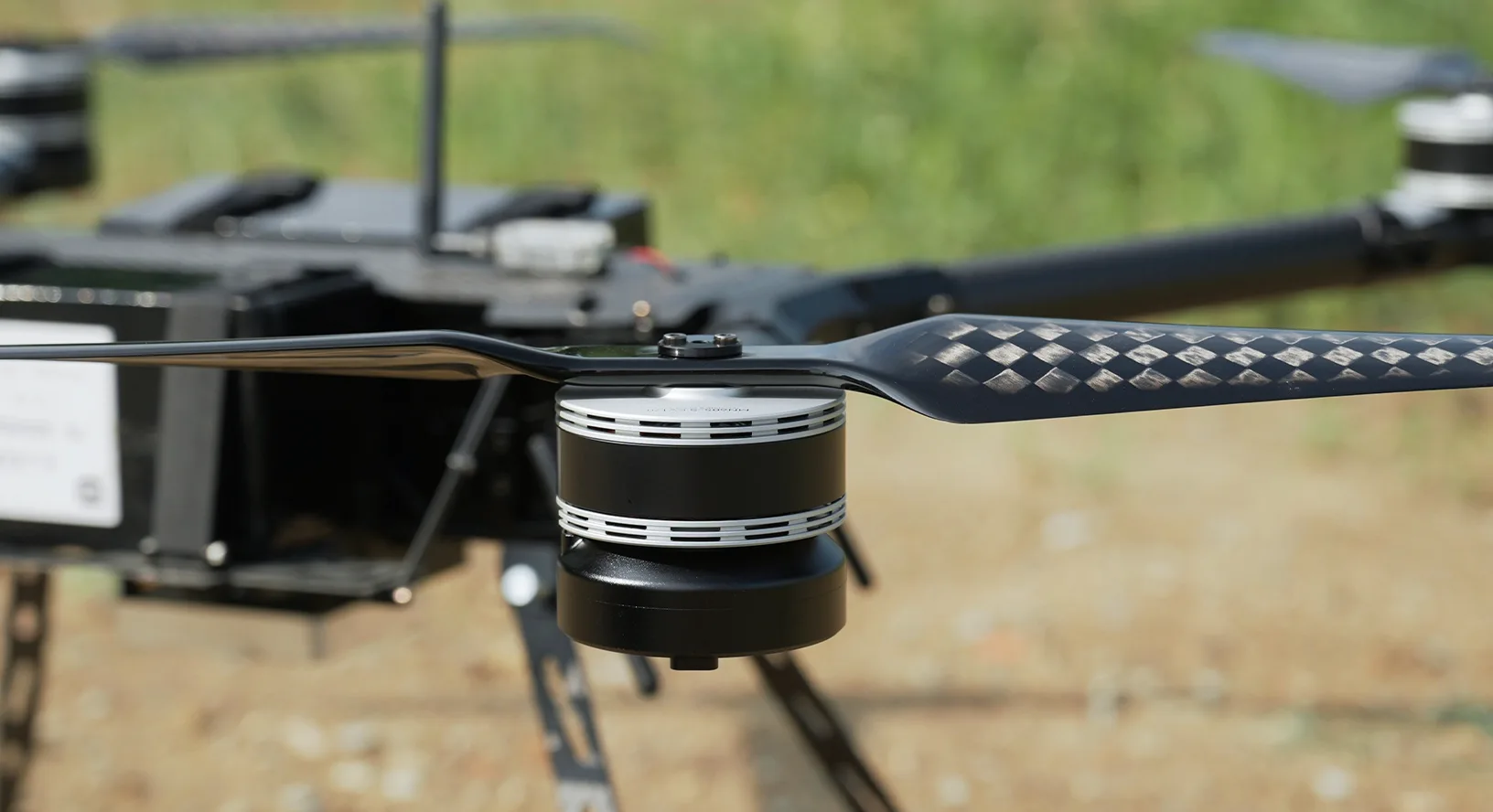
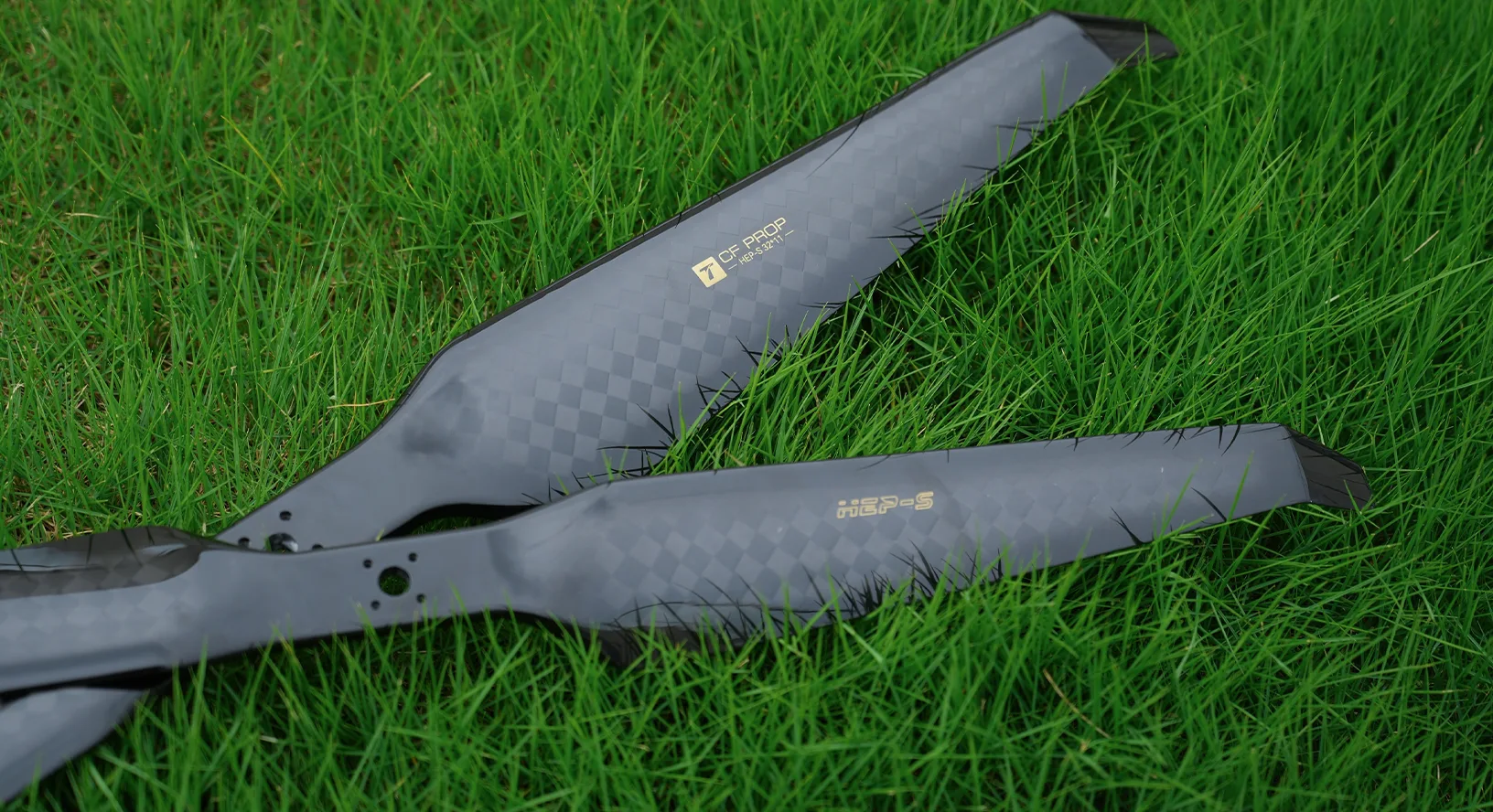
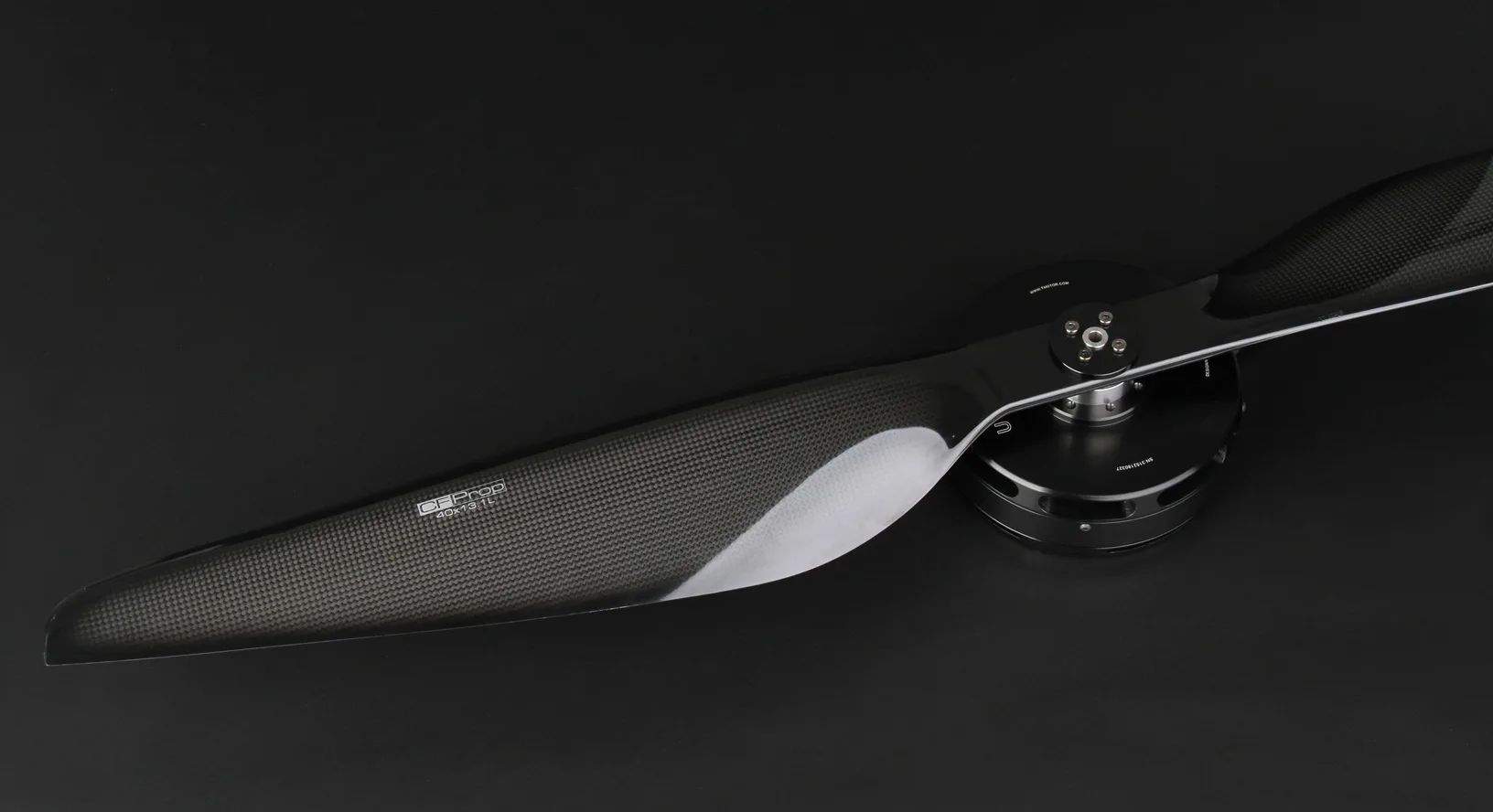
Made of carbon fibers and resin, these composites offer adjustable stiffness, weight, and load-bearing properties through fiber orientation, layup, and structural design.
Glass Fiber Composites
Glass fiber composites use fiber reinforcement in a resin matrix. Their weight, stiffness, and durability depend on fiber type, layup, resin system, and manufacturing process.
Polymer Materials
Typically injection-molded, polymer propellers support mass production and flexible designs. Their stiffness, toughness, and temperature resistance vary by formulation, with some reinforced by fibers to improve mechanical properties.
How Do Material and Structural Design Affect Propeller Stiffness and Deformation?
Propeller stiffness depends on more than material properties. Fiber orientation, layer structure, blade geometry, and thickness distribution all affect structural rigidity.
Material Stiffness vs. Structural Stiffness
Material stiffness measures resistance to elastic deformation, while overall blade stiffness also depends on geometry, layup, and load direction. Fiber orientation can change stiffness in different directions, so material properties alone are not sufficient for evaluation.
Why Does Blade Deformation Matter?
Aerodynamic and centrifugal loads can cause blades to bend or twist. Changes in airfoil shape, blade pitch, or twist distribution may affect airflow and aerodynamic performance. The extent depends on blade design, load, and rotational speed.
How Should Structural Performance Be Evaluated?
Material analysis, static load tests, and appropriate dynamic tests can assess blade deformation under different conditions. Static tests cannot replace validation under rotation, especially in high-speed applications.
The goal is not maximum stiffness, but a balance between weight, stiffness, and load-bearing performance.
How Do Propeller Materials Affect Weight, Mass Distribution, and Dynamic Response?
Propeller materials and structural design affect blade weight and mass distribution, which in turn influence rotational inertia.
Weight vs. Rotational Inertia
Total weight measures propeller mass, while rotational inertia depends on how that mass is distributed around the rotation axis. Mass farther from the axis generally increases rotational inertia, meaning propellers of similar weight can have different rotational characteristics.
For UAVs requiring frequent speed adjustments, rotational inertia affects acceleration and deceleration response. Motor, ESC, flight controller, and overall powertrain configuration also influence system response.
Lighter Does Not Always Mean Better Performance
Reducing propeller weight lowers mass, but does not necessarily improve thrust efficiency or flight time. Changes in stiffness, mass distribution, or blade geometry must also be considered.
Why Does Manufacturing Consistency Matter?
Variations in mass distribution and geometry between propellers of the same model can affect rotational balance and vibration. Consistent manufacturing is therefore important for maintaining reliable performance across production batches.
Do Propeller Materials Affect Vibration and Long-Term Performance?
Materials and manufacturing processes affect propeller stability, mass distribution, and damage behavior. However, vibration and durability depend on more than material type.
Vibration and Structural Consistency
Propeller vibration can result from uneven mass distribution, geometric inaccuracies, improper installation, or structural deformation. Manufacturing precision and installation quality are therefore as important as material properties.
Durability and Damage
Different materials and composite structures respond differently to impact, sustained loads, and environmental exposure.
Composite propellers should be inspected for cracks, delamination, and localized damage. Polymer propellers require evaluation based on their specific material properties and operating conditions.
Environmental Resistance
Temperature changes, UV exposure, humidity, and chemical agents can affect long-term material performance. Resistance varies with material formulation, resin system, and reinforcement structure.
For specialized applications, verify environmental suitability against product specifications and test results.
How Can You Verify Whether Propeller Material Changes Improve Performance?
Changing propeller materials may affect weight, stiffness, thrust, power consumption, and vibration. To identify the cause, material differences must be separated from other design factors.
Define the Comparison
If propellers also differ in diameter, pitch, airfoil, thickness, or mass distribution, test results reflect the overall design rather than material alone.
To isolate material effects, keep other variables as consistent as possible and document any unavoidable differences.
Establish Comparable Test Conditions
Record propeller specifications and powertrain configuration before testing.
For power performance, measure input power and RPM at the same target thrust. For structural evaluation, measure blade deformation under specified loads using consistent methods.
Choose test metrics based on the evaluation objective rather than relying on a single measurement.
Key Performance Metrics
Evaluation
Key Metrics
Purpose
Weight
Total weight, mass distribution
Assess mass and rotational inertia
Structure
Stiffness, deformation under specified loads
Evaluate structural performance
Power
Thrust, input power, RPM
Compare power requirements
Dynamics
Speed response, vibration
Assess operating stability
Durability
Damage, performance changes
Evaluate service performance
Environment
Test results under specified conditions
Verify application suitability
Record test equipment, environmental conditions, sample details, and measurement methods. Consider sample size and repeatability when comparing results.
Why Is One Test Point Not Enough?
Propeller performance varies with RPM, thrust, and operating conditions. An advantage at one operating point may not hold across the full operating range.
Test at representative conditions relevant to the target application. Bench tests help identify structural and power differences but cannot replace full UAV validation, where airframe design, control strategy, payload, and environment also affect performance.
Reliable conclusions require controlled test conditions and clear interpretation of results.
How Can Material Test Results Guide Engineering Evaluation?
Material testing helps UAV OEMs and R&D teams determine whether a propeller design meets project requirements. Evaluation should cover three levels:
Material and Structural Performance
Assess material composition, structural design, weight, stiffness, and deformation under load against defined requirements.
Propeller Performance
Evaluate thrust, power consumption, RPM, and vibration under target operating conditions.
Application Validation
Verify the selected propeller in the complete UAV under actual mission conditions and applicable product requirements.
These stages are not interchangeable. Meeting material specifications does not guarantee overall propeller performance, and successful bench tests cannot replace full-system validation.
Define evaluation criteria and acceptance limits at each stage, and maintain traceable test records to support engineering decisions.
T-MOTOR UAV Propellers
T-MOTOR offers drone propellers in carbon fiber and polymer materials for multirotor, VTOL, and fixed-wing applications.
Yes. Materials and structural design affect propeller weight, stiffness, deformation, and vibration, influencing overall performance.
Are Carbon Fiber Propellers Better Than Polymer Propellers?
Not necessarily. Both offer different design possibilities. Compare their structural properties and test results rather than material type alone.
Do Lighter Propellers Improve Flight Efficiency?
Not always. Weight affects mass and rotational inertia, but efficiency also depends on aerodynamic design, operating conditions, and powertrain configuration.
Do Propeller Materials Affect Thrust and Power Consumption?
They can. Material and structural stiffness affect blade deformation and may influence aerodynamic performance. Compare power consumption and RPM at the same target thrust.
How Can You Test Different Propeller Materials?
Record propeller specifications and test conditions. Compare weight, deformation, thrust, power consumption, and vibration while accounting for design differences. Limit conclusions to the tested conditions.