Published March:2026-08-19 · Updated:2026-09-20 · Elio
Table of Contents
Share This Article
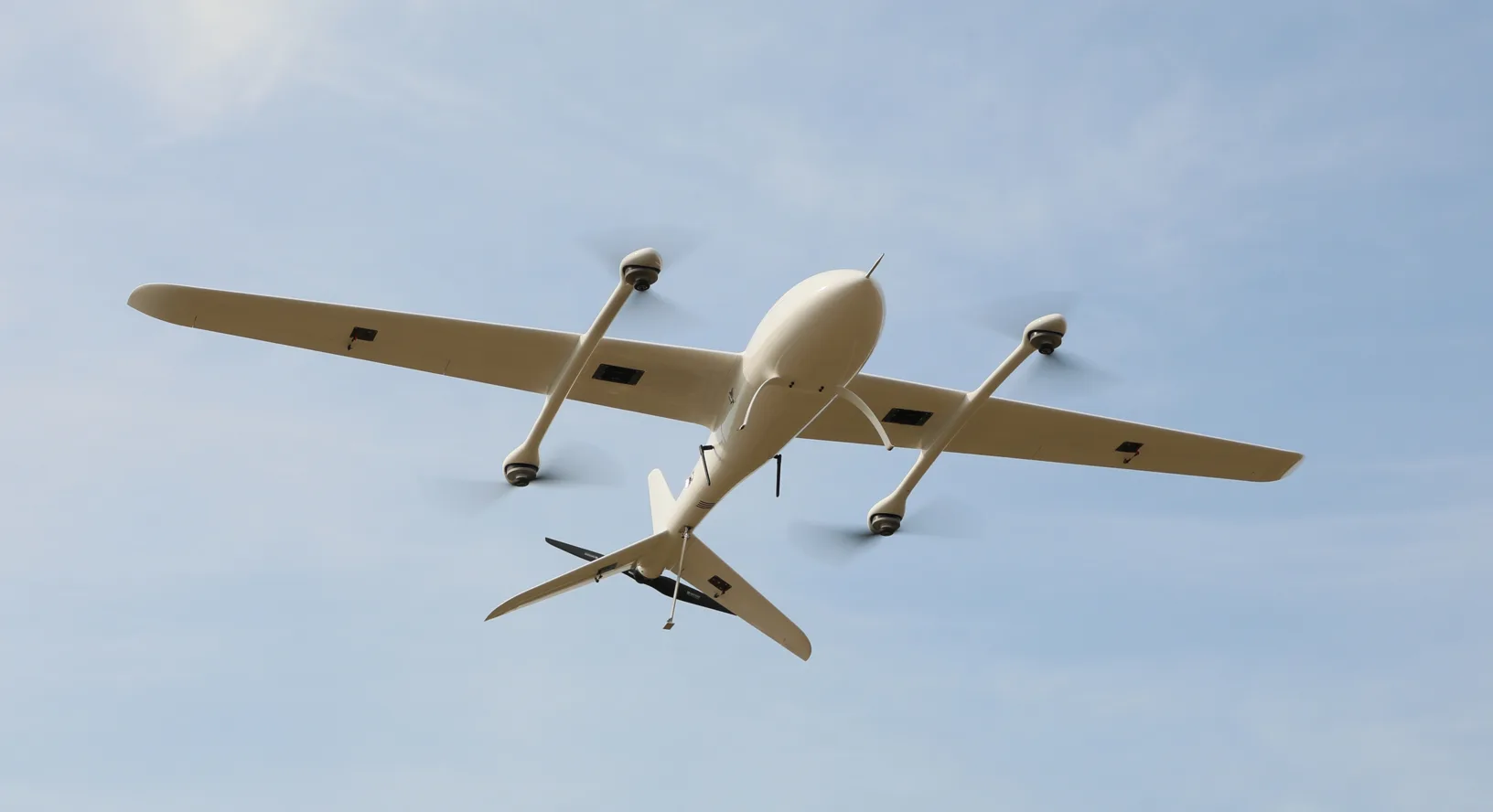
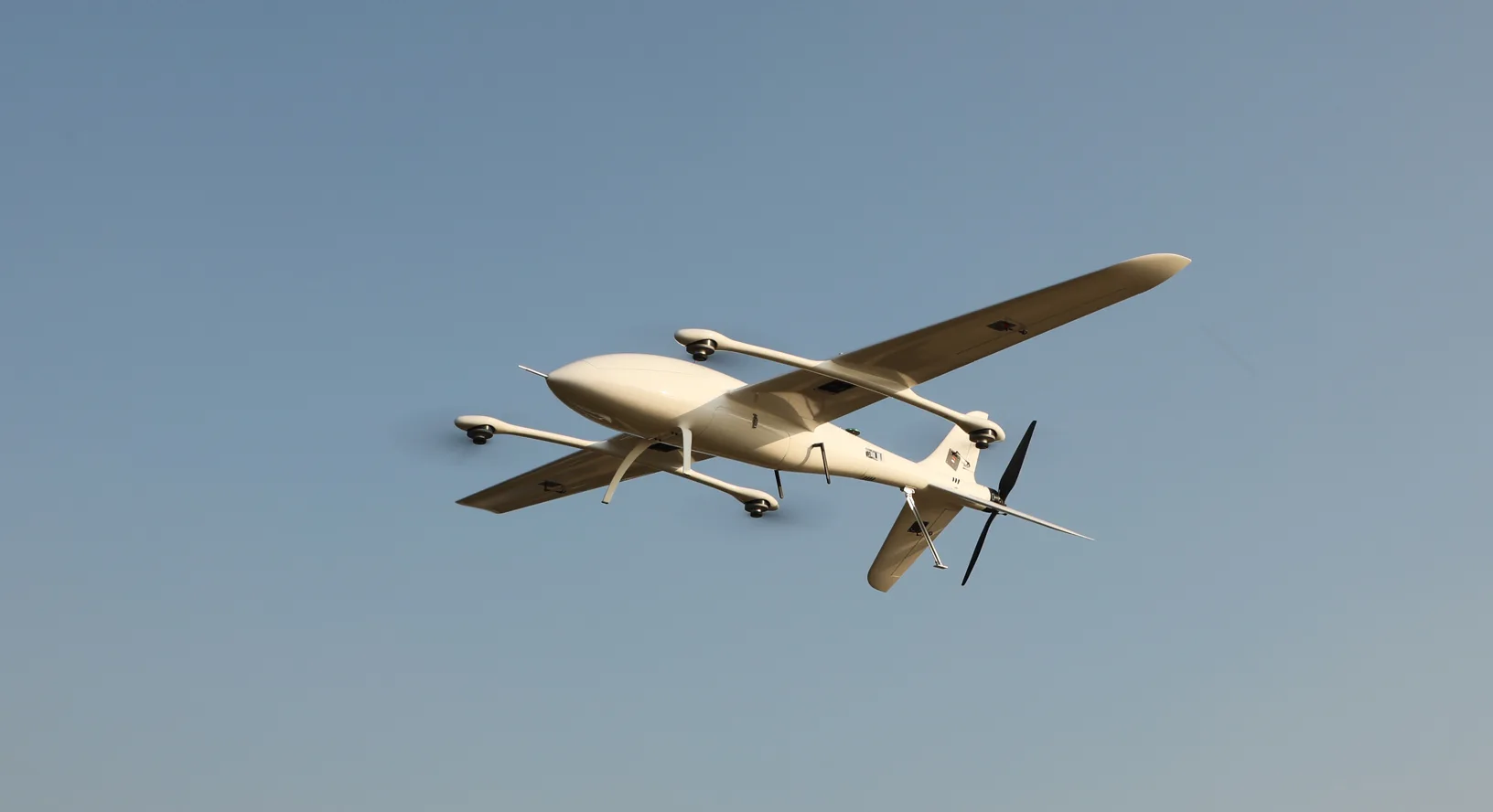
For high-reliability VTOL drones, the motor is a critical component that directly impacts vertical lift performance, cruise efficiency, and overall flight reliability.
Unlike conventional UAVs, VTOL platforms operate across two distinct flight phases:
Vertical Lift Stage: Requires high thrust-to-weight ratio, rapid response, and sufficient power margin for stable takeoff and transition.
Forward Cruise Stage: Focuses on g/W efficiency, thermal stability, and long-duration operation to maximize flight endurance.
KV & Load Matching: Motor KV must align with battery voltage, propeller size, and specific flight phases to balance thrust output and operational efficiency.
This guide explores key VTOL motor selection factors, including thrust performance, KV matching, efficiency, and voltage requirements, helping engineers select reliable propulsion solutions for different mission profiles.
Core Principles of VTOL Motor Selection
VTOL motor selection should focus on the different requirements of each flight phase:
Lift Motors: Prioritize thrust margin and transient response to ensure sufficient power during vertical takeoff, landing, and attitude transitions.
Cruise Motors: Prioritize g/W efficiency and thermal stability to enhance cruise endurance and long-term reliability.
Why Are VTOL Motors Different from Standard Drone Motors?
VTOL drones combine vertical takeoff and forward cruise, requiring motors to meet different performance requirements across flight phases.
Lift Motors
Designed for vertical flight, they prioritize high torque, thrust-to-weight ratio, and rapid response during takeoff, landing, hovering, and transition phases.
Cruise Motors
Optimized for fixed-wing flight, they focus on g/W efficiency, thermal stability, and long-term continuous operation.
In QuadPlane VTOL configurations, lift and cruise motors are typically optimized separately for their specific roles. In tilt-rotor VTOL designs, the same motor must handle both flight modes, requiring stricter matching of KV, voltage, propeller, and thermal performance.
Unique Requirements for VTOL Motors
VTOL motors operate across both vertical lift and fixed-wing cruise phases, requiring a balance of power response, efficiency, and reliability beyond standard UAV motors.
Vertical Lift Stage
Lift motors require high thrust-to-weight ratio, rapid response, and sufficient power margin to support takeoff, landing, and transition maneuvers with stable performance.
Forward Cruise Stage:
Cruise motors focus on propulsion efficiency (g/W), thermal stability, and continuous operation to maximize flight endurance and mission capability.
VTOL motor design must balance dynamic power output during vertical flight with long-duration efficiency during cruise operation.
Core Parameters & Selection Benchmarks for VTOL Motors
Selecting a VTOL motor requires balancing vertical thrust performance and cruise efficiency. Key parameters include thrust margin, efficiency, voltage capability, KV rating, and propeller matching.
- Thrust-to-Weight Ratio & Transient Thrust
Lift: A 2.0–2.2x thrust margin is recommended to maintain stability during takeoff, landing, and transition phases.
Example: An industrial VTOL with a 25kg MTOW typically requires 40–50kg of total static lift thrust to maintain adequate control margins.
Cruise: Match continuous thrust output with the target airspeed to keep the motor within its high-efficiency operating range.
Engineering Tip: Over-redundancy decreases flight time; under-redundancy risks stalling. Exact calculations based on MTOW are mandatory.
- System Efficiency
Lift: Optimize efficiency after meeting required thrust levels to reduce energy consumption during hovering and transitions.
Cruise: g/W efficiency is critical for endurance. Low-KV motors paired with large-diameter propellers help achieve efficient propulsion at target speeds.
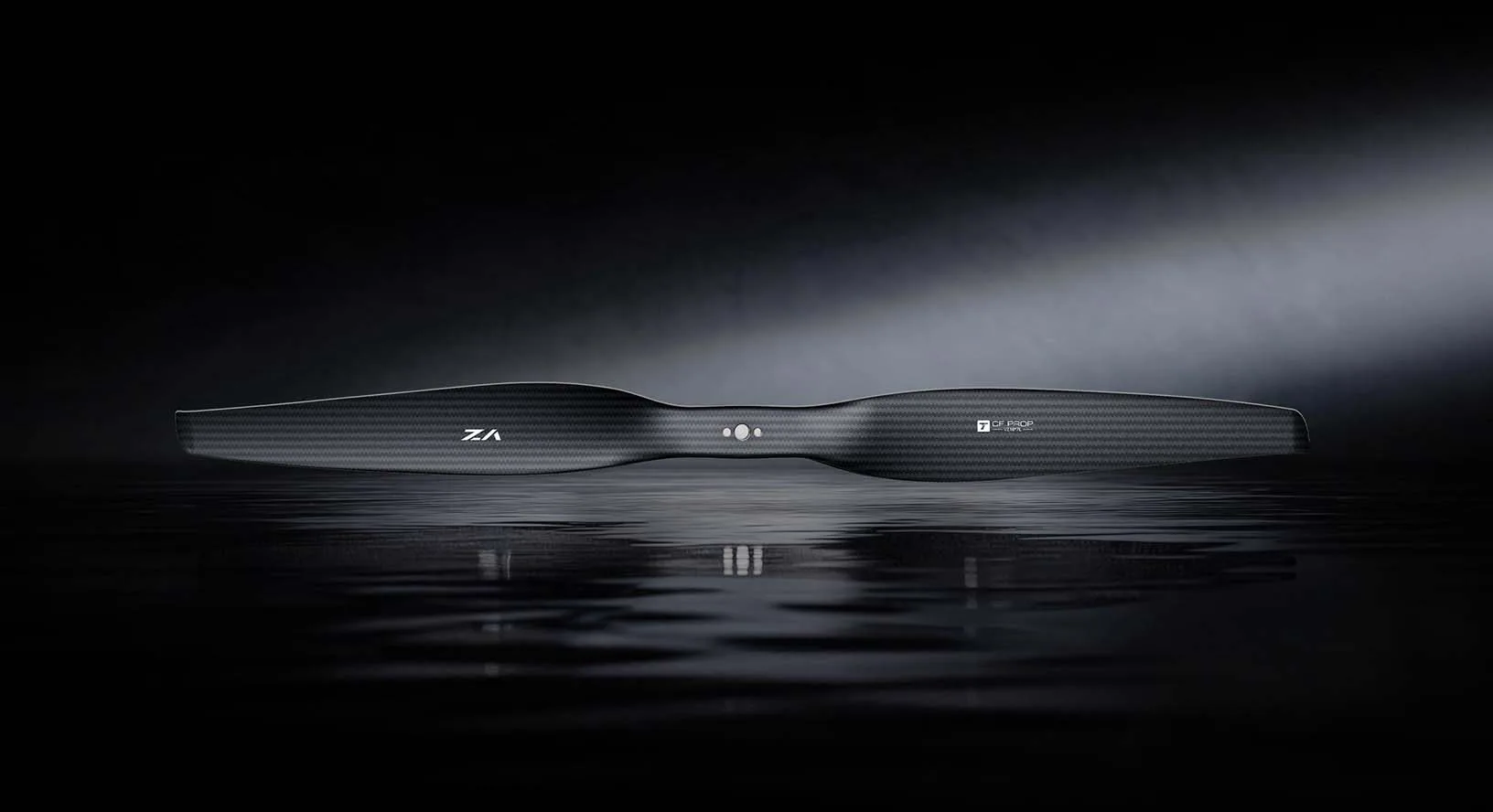
Example: Pairing AT/AX series cruise motors with AUZ series high-efficiency propellers (such as the AUZ19x16) optimizes g/W performance at target airspeeds.
- Voltage Range & Peak Current
Industrial VTOL platforms commonly use 12S+ battery systems to improve power density and reduce current losses. Motor peak current and ESC current margin should be verified under maximum load conditions.
Engineering Tip: Verify the motor's peak current under maximum load. Ensure the ESC provides sufficient current headroom to prevent in-flight overcurrent shut-offs.
- KV Value & Propeller Matching
KV affects motor speed characteristics and torque output.
Lift motors typically use low-KV, high-torque configurations, while cruise motors require KV selection based on airspeed and efficiency requirements.
VTOL motor selection should be based on the mission profile, payload requirements, and operating conditions—not only thrust and efficiency.
Mapping & Inspection
Focus on cruise efficiency, low vibration, and long-term stability for extended endurance and reliable data collection.
Logistics & Heavy-lift
Prioritize thrust margin, response capability, and system matching to support variable payloads and changing MTOW conditions.
Engineering Principle
Fixed-payload missions prioritize efficiency optimization, while variable-payload applications require broader power capability and higher reliability.
T-MOTOR VTOL Motor Solutions & Advantages
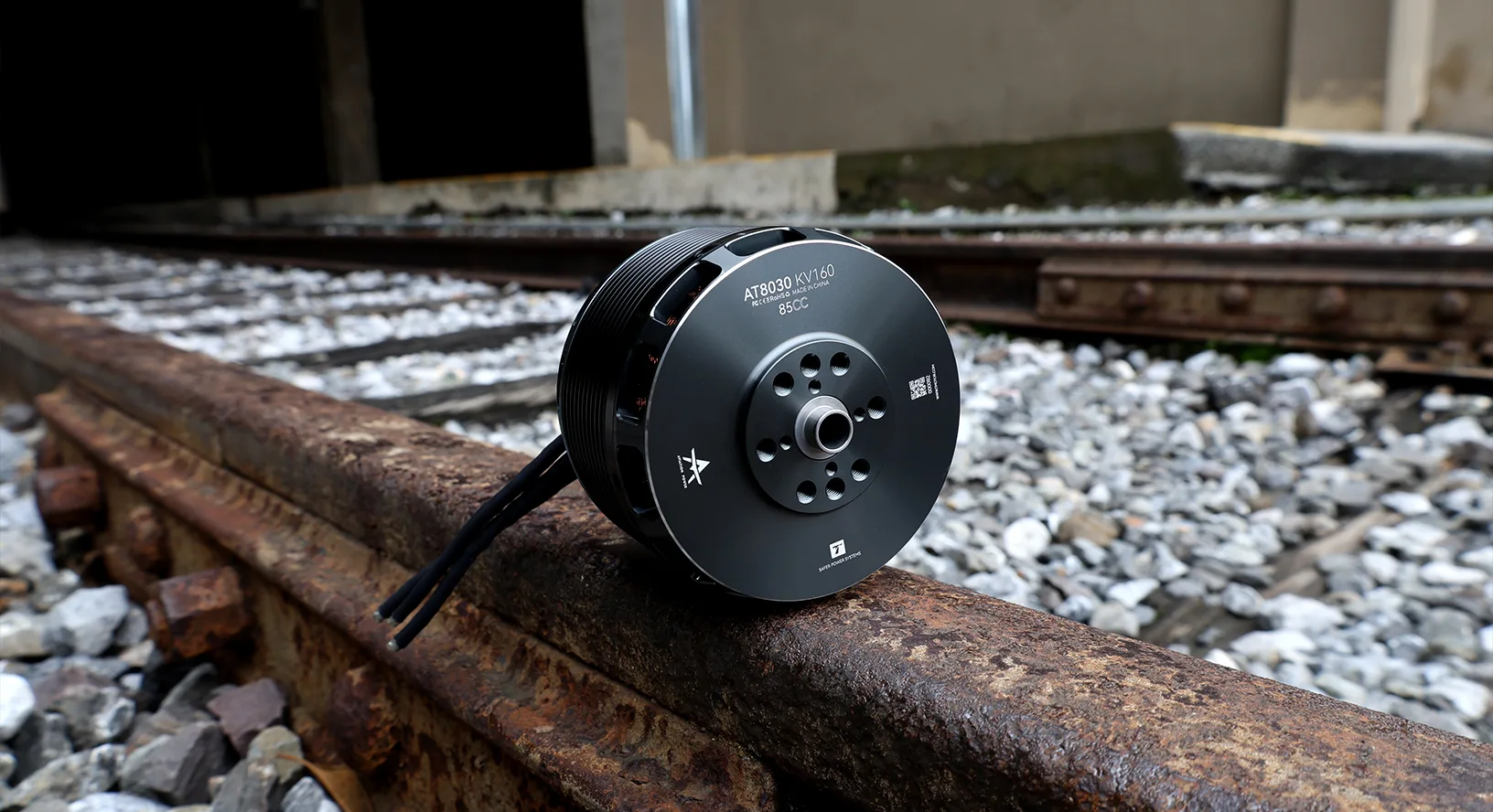
T-MOTOR provides VTOL motor solutions optimized for both Lift and Cruise flight phases, delivering reliable performance across industrial applications.
Vertical Lift
High torque output, rapid response, and stable power delivery for heavy-payload takeoff and transition phases.
Forward Cruise
Optimized motor-propeller matching improves g/W efficiency and supports long-endurance missions.
System-Level Reliability
Verified through testing for thermal performance, environmental adaptability, vibration resistance, and long-term operation.
During R&D and flight testing, engineering teams often evaluate propulsion setups through a narrow lens, leading to critical selection errors:
Focusing Solely on Static Thrust
Ignoring propulsion efficiency matching during the cruise phase results in actual flight times falling significantly short of expectations.
Mismatched KV and Propellers
Leads to insufficient low-speed thrust, degraded cruise efficiency, and excessive motor heating.
Neglecting System-Level Integration
Failing to holistically match the motor, ESC, and propeller prevents the system from reaching peak performance, causing overcurrent issues, poor efficiency, and shortened component lifespans.
Underestimating Thermal Dynamics in Enclosed Nacelles
Prolonged high-temperature operation in semi-enclosed compartments severely degrades both motor efficiency and long-term reliability.
Conclusion
Selecting a VTOL motor requires more than evaluating maximum static thrust. Engineers must balance dynamic power performance during vertical lift with cruise efficiency during forward flight.
A reliable VTOL motor solution should consider key factors including thrust-to-weight ratio, KV rating, g/W efficiency, thermal stability, and system compatibility to meet industrial flight requirements.