VTOL UAV Motor KV Selection Guide: How to Match Voltage, Propeller and Flight Requirements
Published March:2026-08-27 · Updated:2026-09-16 · Elio
Table of Contents
Share This Article
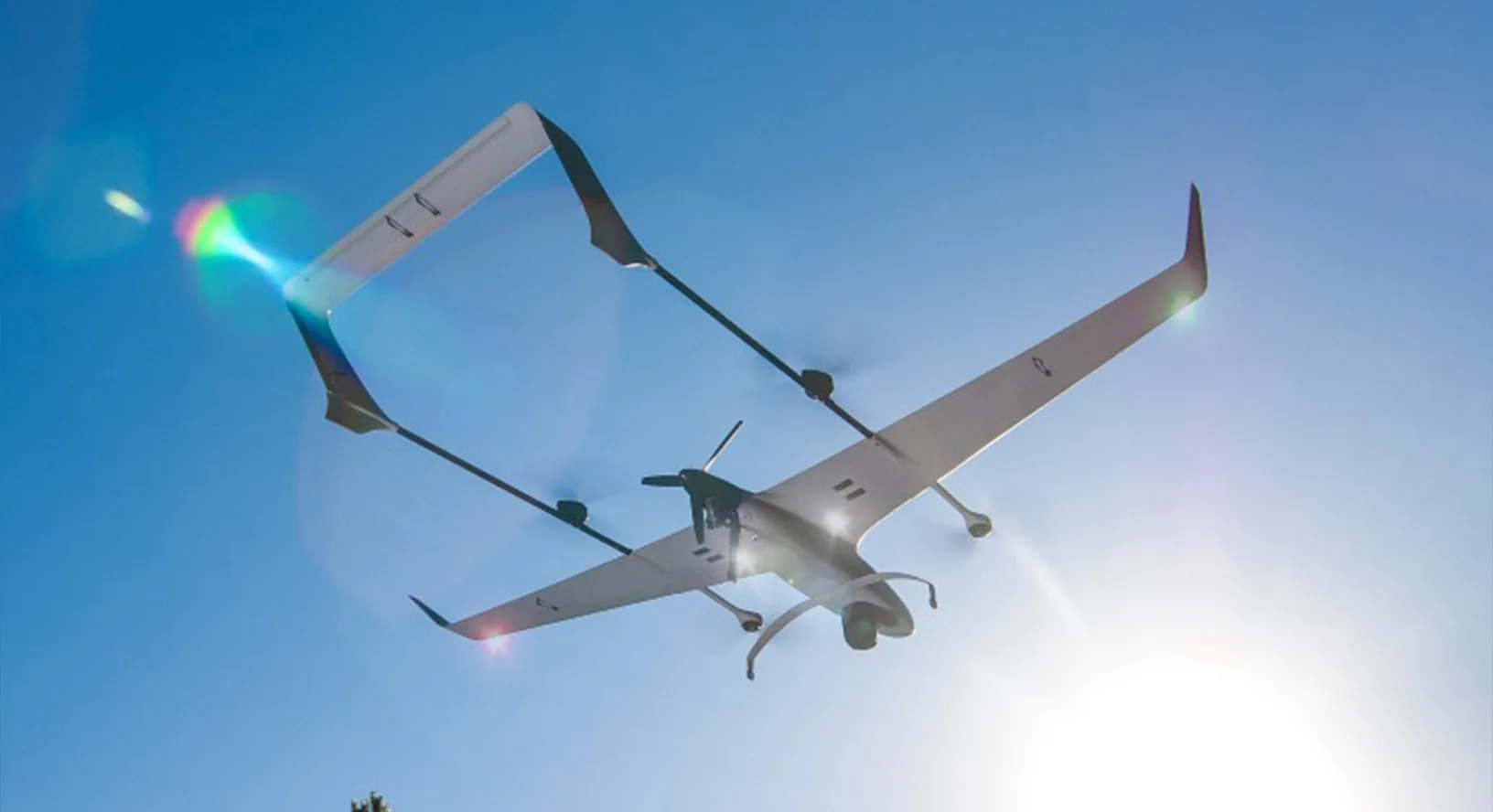
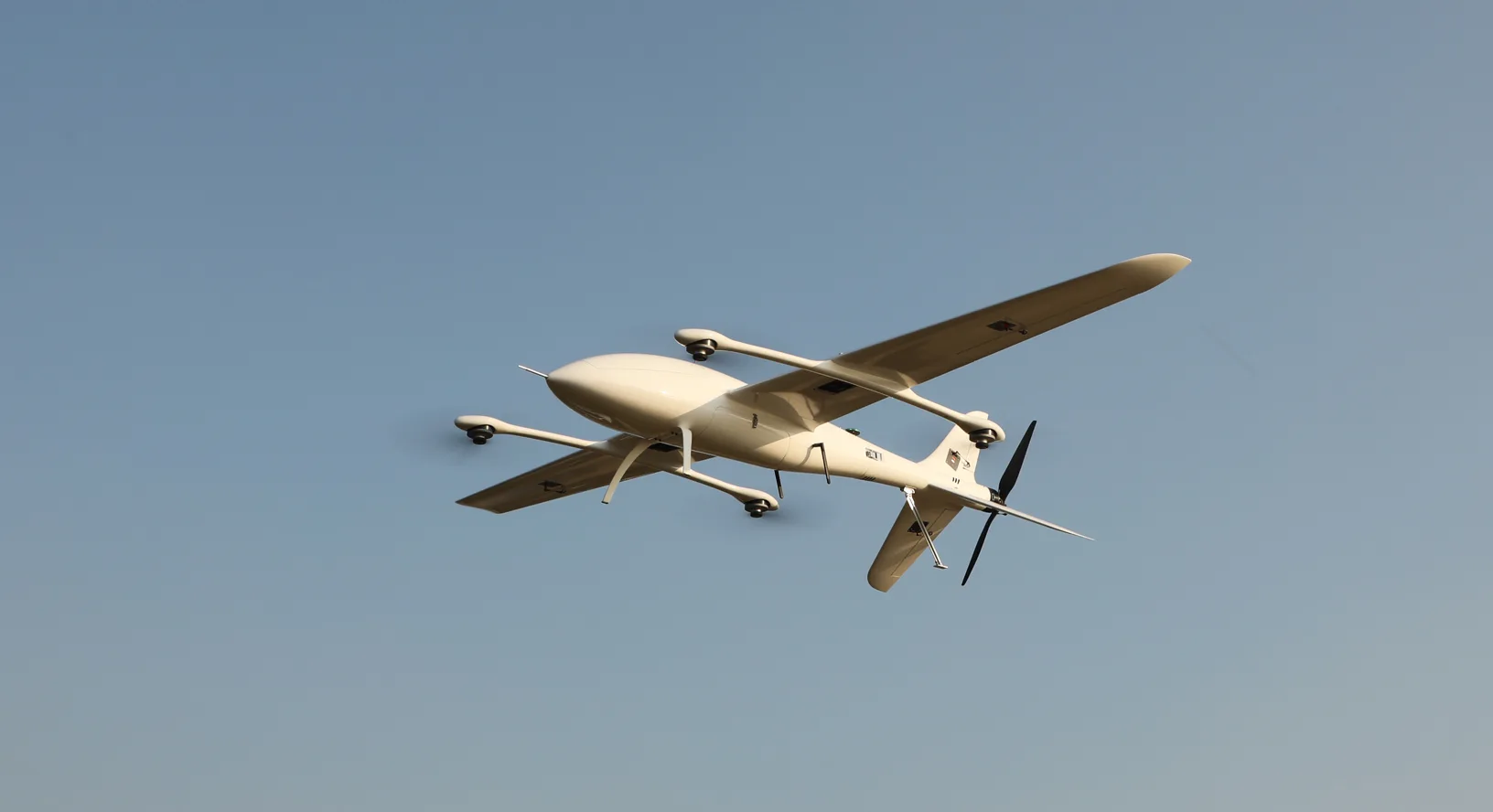
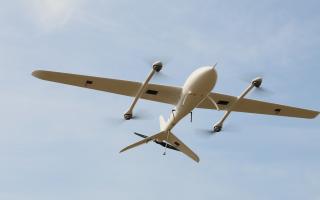
For industrial VTOL (Vertical Takeoff and Landing) UAVs, KV is a key parameter affecting motor speed, torque, and propeller compatibility.
Unlike conventional multirotor UAVs, VTOL UAVs operate in two distinct flight stages:
Lift: High torque and continuous thrust are required for takeoff, hover, and wind resistance.
Cruise: High efficiency is required to keep the propeller within its optimal aerodynamic range for long-endurance flight.
VTOL motor KV selection should not rely solely on motor speed or power. KV must be matched with battery voltage, propeller size, and flight requirements.
KV value indicates the theoretical change in a motor’s no-load speed for every 1V of input voltage, measured in RPM/V. It is not a motor power rating, but a motor speed constant that describes the relationship between voltage and rotational speed.
Core Formula:
RPM(Theoretical No-Load) = KV × Battery Voltage
Example: A 100KV industrial UAV motor supplied with 24V has a theoretical no-load speed of 2,400 RPM.
KV
Characteristics
Applications
High KV
Higher speed, lower torque
Small propellers, high-speed UAVs
Low KV
Lower speed, higher torque
Large propellers, heavy-lift UAVs
KV does not indicate whether a motor is better or more powerful. Instead, it reflects the motor’s speed and torque characteristics. For industrial VTOL UAVs, the key to KV selection is not maximizing RPM, but keeping the motor within its optimal efficiency range.
Why Does KV Matter for VTOL UAV Motors?
Unlike conventional multirotor UAVs, which are primarily optimized for hover efficiency, VTOL UAVs must operate in two distinct aerodynamic conditions: vertical lift and fixed-wing cruise. As a result, the same KV configuration may perform differently during the Lift and Cruise stages.
Flight Stage
Requirements
Recommended KV
Lift
High thrust, high torque, wind resistance
Lower KV
Cruise
High efficiency, low power, stable operation
Match propeller efficiency range
- Lift: Why Are Low-KV Motors Better Suited to VTOL Takeoff and Landing?
During vertical takeoff and landing, VTOL UAVs rely entirely on rotors to generate lift. The motors must provide rapid thrust buildup, sustained hover performance, and reliable operation under high loads.
Because large propellers require higher torque, most industrial VTOL platforms tend to use a combination of low-KV motors, high-voltage systems, and large propellers during the Lift stage.
Key advantages include:
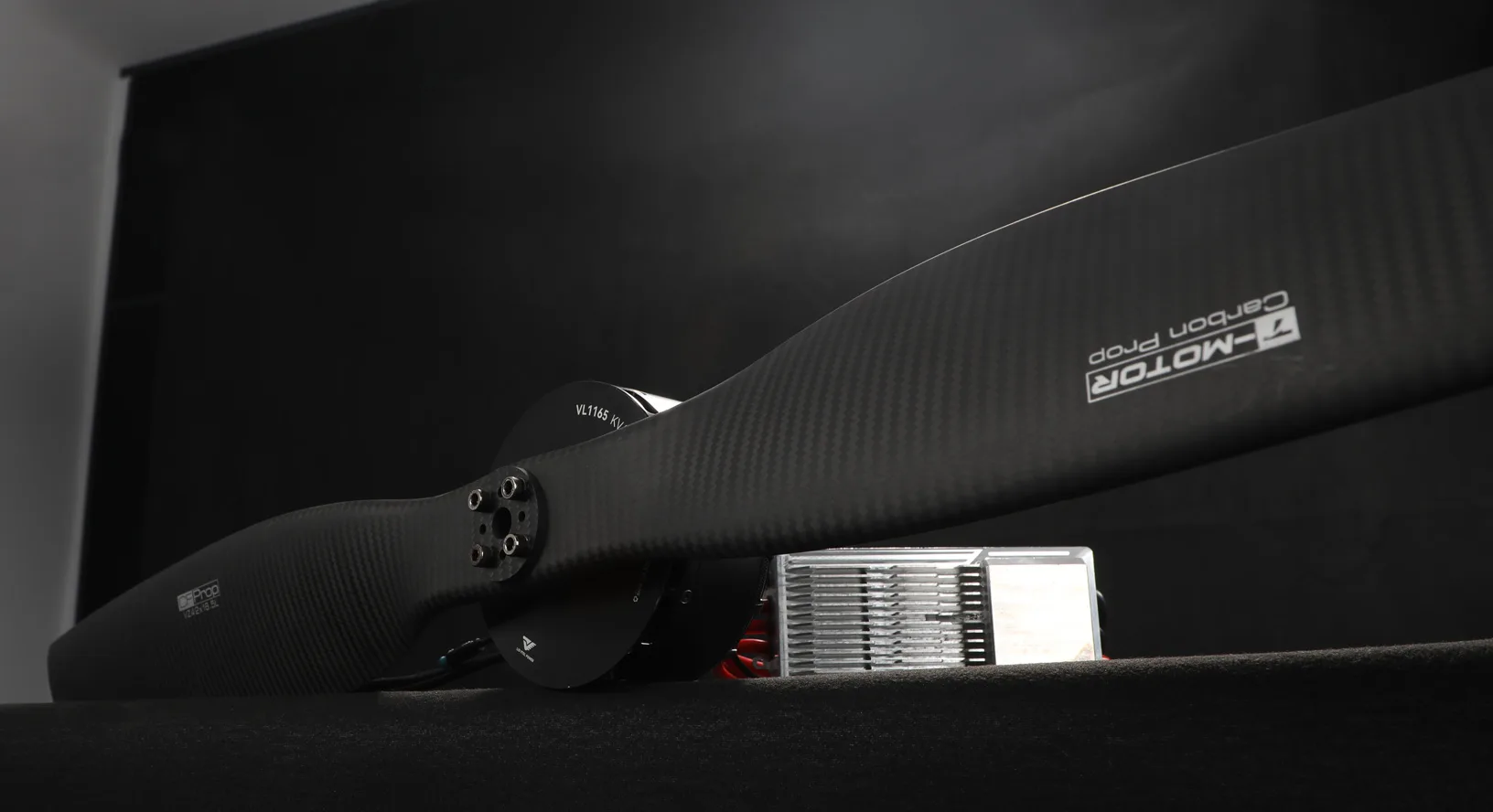
Better large-propeller drive capability: Low-KV motors provide higher torque, making them better suited for large carbon-fiber propellers.
Lower operating current: At the same power output, higher voltage and lower KV can reduce system current, helping reduce ESC temperature rise, motor thermal load, and long-term operating losses.
Conclusion: For heavy-lift VTOL platforms, a low-KV architecture can significantly improve system reliability during takeoff and landing.
- Cruise: How Should KV Be Selected for Cruise Efficiency?
Once the VTOL UAV enters fixed-wing cruise, the wings provide most of the lift, while the motor mainly overcomes aerodynamic drag. The focus of the propulsion system shifts from maximum thrust to propulsion efficiency.
The cruise motor KV should be matched based on:
Optimal propeller efficiency RPM
Flight speed
Operating voltage
For example, when using a high-efficiency cruise propeller such as the AUZ series, the appropriate KV should allow the motor to reach the propeller's optimal operating RPM at the rated voltage:
KV too high: RPM exceeds the optimal range, increasing power consumption and reducing efficiency.
KV too low: The propeller cannot reach its optimal thrust condition, reducing cruise performance.
Core principle: During Cruise, motor KV selection is about precisely matching motor speed to the propeller's aerodynamic efficiency range.
How to Select the Right KV for a VTOL Motor
- Select KV Based on Propeller Size
Propeller size is an important factor in KV selection.
Propeller Characteristic
Recommended KV
Small, high-speed propeller
High KV
Large, low-speed propeller
Low KV
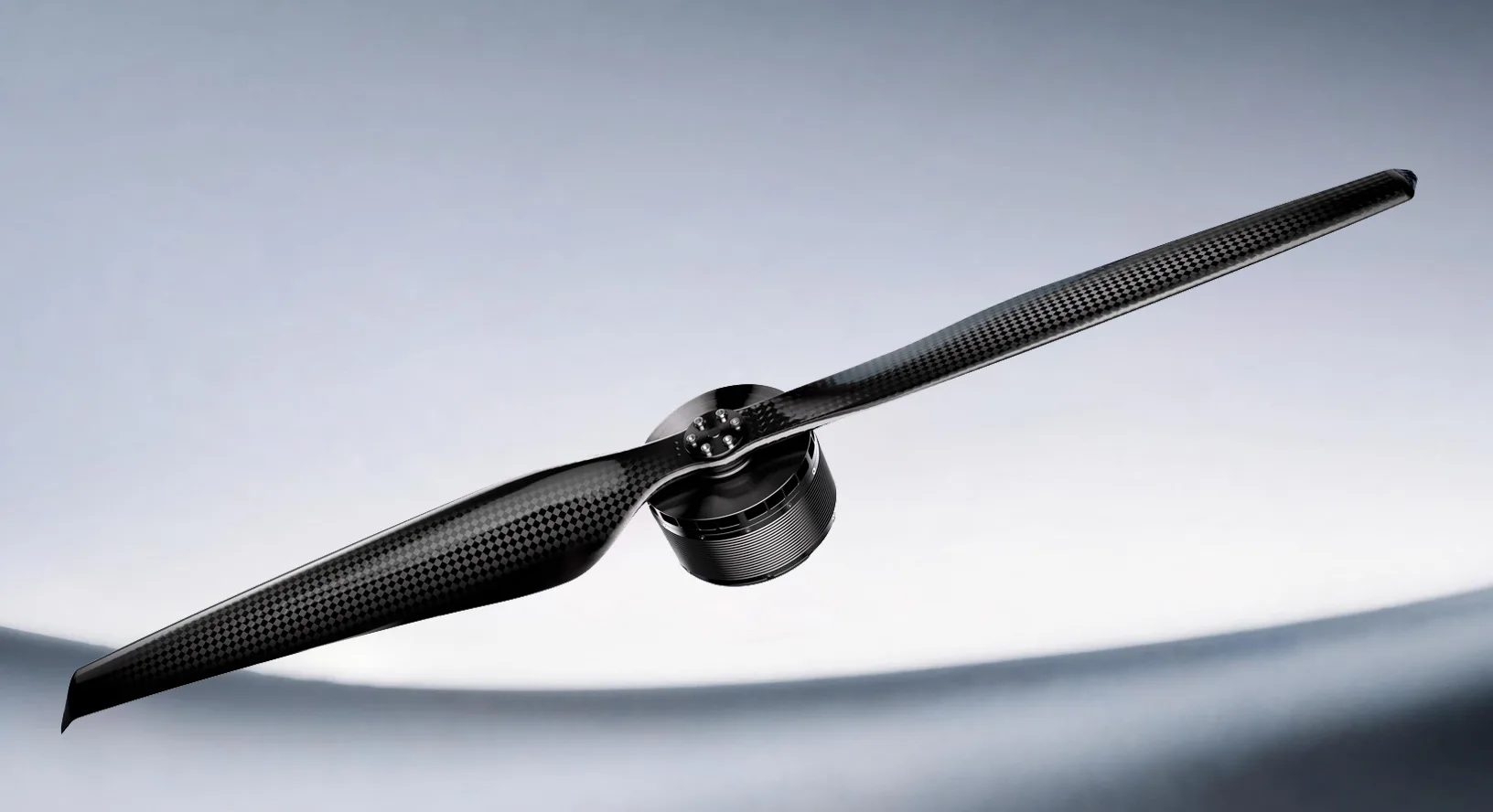
For industrial VTOL UAVs, large carbon-fiber propellers typically require low-KV, high-torque motors.
- Adjust KV Based on Battery Voltage
KV and voltage jointly determine motor operating speed.
Increasing battery voltage provides the following key advantages:
Lower operating current
Lower heat generation
Higher system efficiency
Conclusion: Based on these advantages, industrial VTOL UAVs typically use a high-voltage + low-KV propulsion configuration.
- Determine the KV Optimization Direction Based on the Flight Mission
Application
KV
Motor Priority
Heavy-Lift VTOL
Low KV
High torque, large-propeller drive
Agricultural VTOL
Low KV
Long-duration hover efficiency
Industrial Inspection VTOL
Low–Medium KV
Efficiency and response balance
Long-Endurance VTOL
Match cruise efficiency KV
Lower power consumption
Do Lift and Cruise Motors Need the Same KV?
Not necessarily. For VTOL platforms with independent Lift and Cruise propulsion systems, the two stages have different requirements:
Stage
Core Objective
KV Direction
Lift
Maximum thrust, hover efficiency
Low KV
Cruise
Propulsion efficiency, endurance
Match to optimal RPM
Using the same KV for both stages may result in:
Insufficient thrust during Lift
Reduced efficiency during Cruise
Therefore, engineering design typically requires separate KV optimization for the two flight stages.
VTOL Motor Recommendations
- VL Series
The VL series is designed for the vertical takeoff and landing stage of VTOL UAVs. It provides low-KV, high-torque output for VTOL platforms requiring high thrust, stable hovering, and large-propeller compatibility.
Power alone does not determine the optimal match. Even two motors with the same power rating can perform differently if their KV values differ:
Different torque output
Different propeller compatibility
Different operating efficiency
- Forcing a High-KV Motor to Drive a Large Propeller
Using a high-KV motor to drive a large propeller can easily result in:
Sharp increases in current
Higher temperature rise and excessive motor heating
ESC overload
- Ignoring the Differences Between VTOL Flight Stages
VTOL is not simply a large multirotor. Motor selection needs to consider the two flight stages separately:
Lift: The primary focus is thrust requirements.
Cruise: The primary focus is efficiency requirements.
Conclusion
Selecting the right KV for a VTOL UAV motor is essentially a matter of matching motor speed, torque, operating voltage, and propeller size:
Lift: Low-KV motors are better suited for high-thrust, high-load takeoff and landing.
Cruise: KV should be precisely selected based on the propeller's optimal efficiency RPM.
For industrial VTOL platforms, the right KV is not about pursuing the highest RPM, but achieving the best efficiency and reliability for the target mission.
Properly matching motor KV, battery voltage, and propeller size can help VTOL UAVs achieve higher payload capacity, longer endurance, and more stable flight performance.
Consider the system voltage, maximum thrust requirements, motor efficiency curve, and aerodynamic characteristics of the propeller.
Does a higher KV mean more UAV thrust?
No. KV only indicates motor speed characteristics. Actual thrust depends on motor size, propeller, voltage, and input power.
Why do heavy-lift VTOL UAVs need low-KV motors?
Low-KV motors provide higher torque and reduce current demand when driving large propellers.
Do Lift and Cruise motors need the same KV?
Not necessarily. The two stages have different requirements and need separate KV matching.
Should a VTOL UAV use a high-KV or low-KV motor?
Industrial VTOL platforms generally prioritize low-KV motors, especially for the Lift stage. Low KV provides higher torque and is better suited for large propellers.
How do I select the KV for a VTOL UAV motor?
VTOL motor KV selection should consider battery voltage, propeller size, target thrust, and flight mission.